
 English

Cắt kim cương vòng tay: Kỹ thuật, Hoa văn và Mẹo Sản xuất cho Nhà Sản xuất Trang sức
Cắt kim cương vòng tay: Kỹ thuật, Hoa văn và Mẹo Sản xuất cho Nhà sản xuất Trang sức
Cắt kim cương vòng tay là một trong những quy trình trang trí phổ biến nhất trong sản xuất trang sức hiện đại. Bằng cách cắt các hoa văn phản chiếu chính xác lên bề mặt vòng tay vàng, bạc và đồng, nhà sản xuất có thể tăng đáng kể giá trị cảm nhận của sản phẩm mà không cần thêm nguyên liệu. Hướng dẫn này giải thích các kỹ thuật cắt chính, các loại hoa văn phổ biến và mẹo sản xuất thực tế giúp xưởng trang sức đạt được kết quả nhất quán, chất lượng cao.
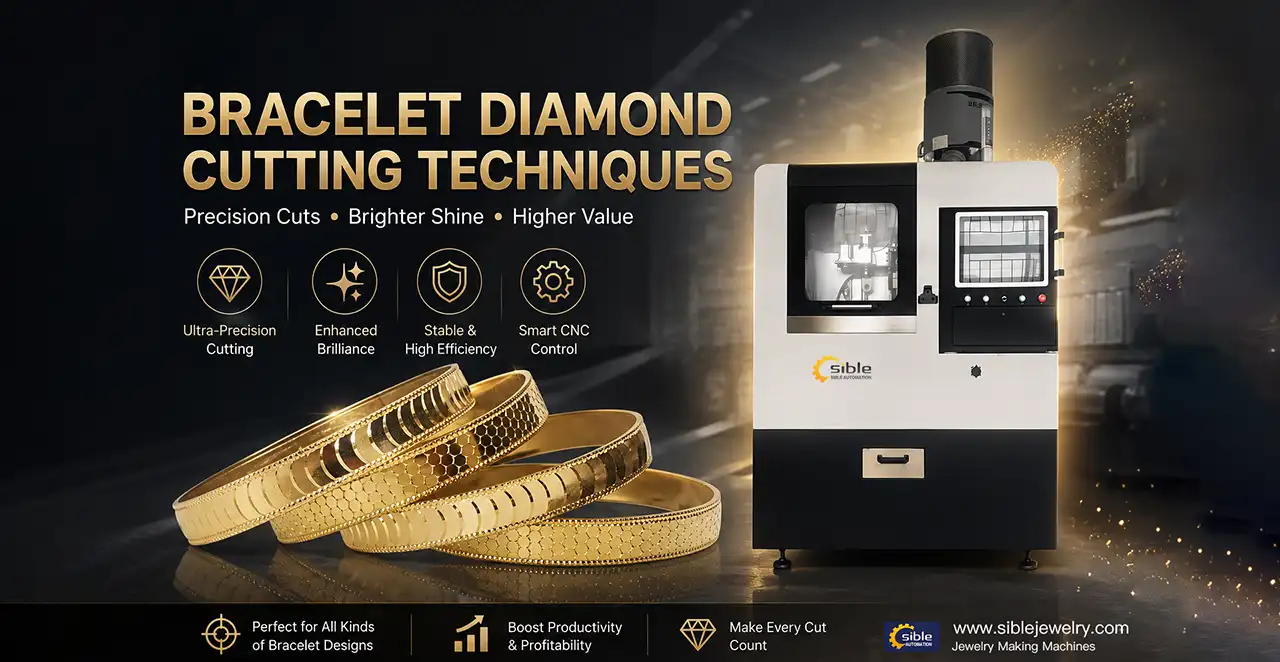
Tại sao Cắt kim cương Tăng giá trị cho Vòng tay
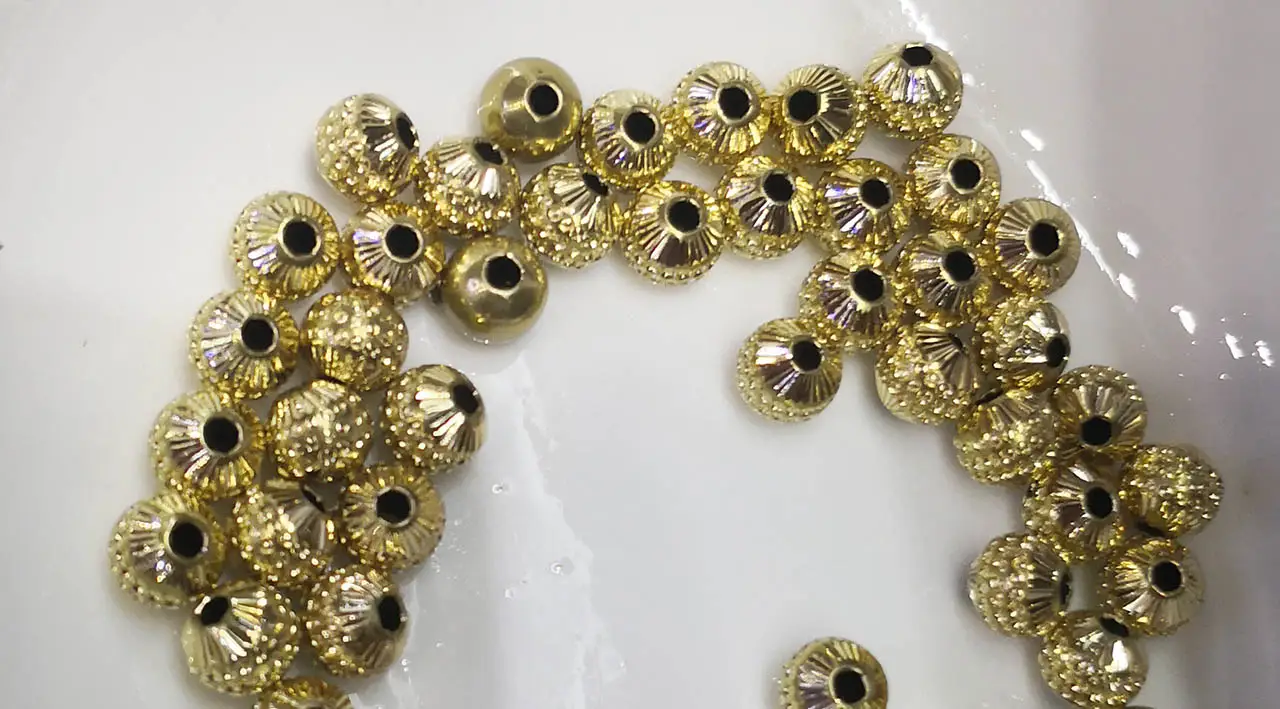
Cắt kim cương tạo ra các mặt cắt nhỏ, nghiêng trên bề mặt vòng tay để bắt và phản chiếu ánh sáng. Không giống như khắc đơn giản, một đường cắt kim cương được thực hiện đúng cách tạo ra bề mặt sáng bóng như gương, khiến vòng tay trông tinh tế và đắt tiền hơn. Đối với nhà sản xuất, điều này có nghĩa là:
Giá trị sản phẩm cảm nhận cao hơn và điểm bán hàng mạnh hơn
Phản chiếu ánh sáng và sức hút thị giác tốt hơn so với bề mặt trơn
Khác biệt so với vòng tay sản xuất hàng loạt, không trang trí
Khả năng tạo các dòng hoa văn thương hiệu hoặc tùy chỉnh
Vì quy trình chỉ loại bỏ một lượng nhỏ nguyên liệu, hao hụt nguyên liệu là tối thiểu, khiến cắt kim cương trở thành một trong những phương pháp trang trí tiết kiệm chi phí nhất hiện có.
Các Kỹ thuật Cắt kim cương Vòng tay Phổ biến
Cắt kim cương thủ công
Trong phương pháp cắt thủ công, một nghệ nhân giàu kinh nghiệm sẽ dẫn dụng cụ có đầu kim cương dọc theo bề mặt vòng tay để tạo từng mặt cắt. Phương pháp này mang lại độ linh hoạt tối đa cho các thiết kế tùy chỉnh và đơn chiếc, và thường được sử dụng cho các sản phẩm cao cấp, nơi tay nghề thủ công riêng biệt là một phần của câu chuyện sản phẩm. Hạn chế chính là tốc độ: sản lượng bị giới hạn bởi kỹ năng và tốc độ của người thợ.
Cắt kim cương bán tự động
Máy bán tự động hỗ trợ người vận hành bằng cách kiểm soát đường cắt và độ sâu, trong khi nghệ nhân định vị vòng tay. Cách tiếp cận này cân bằng giữa tốc độ và độ linh hoạt, phù hợp cho sản xuất theo lô nhỏ đến vừa các vòng tay tròn với họa tiết đồng nhất.
Cắt kim cương tự động bằng CNC
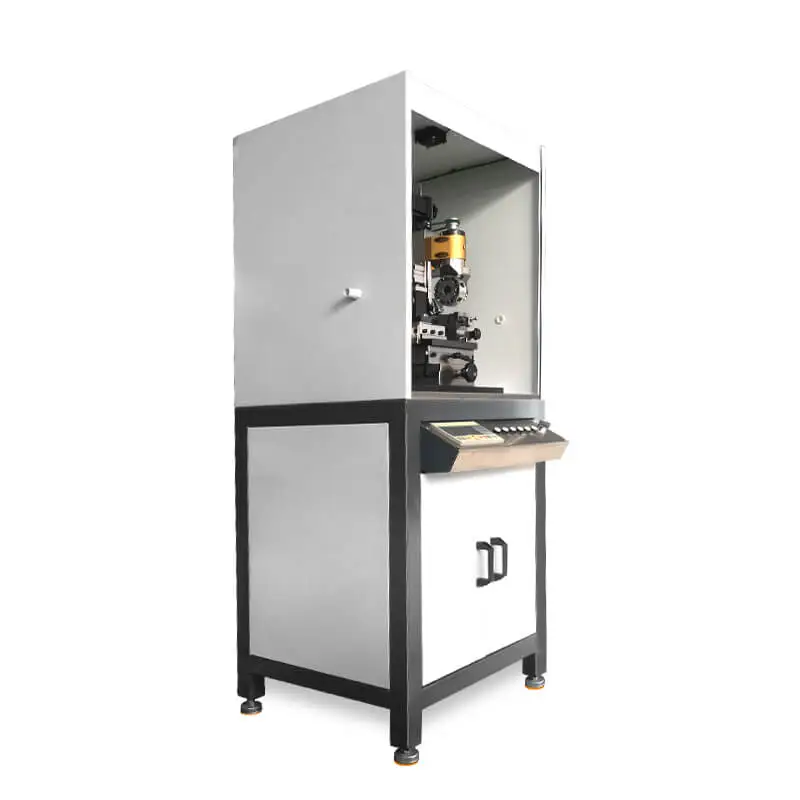
Máy điều khiển bằng CNC tự động cắt họa tiết theo các thông số được lập trình. Chúng mang lại độ đồng nhất và tốc độ sản xuất cao nhất, và là lựa chọn tốt nhất cho sản xuất khối lượng lớn. Các hệ thống CNC hiện đại có thể lưu trữ nhiều chương trình họa tiết và chuyển đổi nhanh chóng giữa chúng, cho phép một máy duy nhất sản xuất nhiều loại thiết kế.
Các mẫu cắt kim cương phổ biến cho vòng tay
Các mẫu khác nhau tạo ra hiệu ứng thị giác khác nhau. Dưới đây là những mẫu vòng tay được yêu cầu phổ biến nhất trong sản xuất trang sức:
Các đường cắt thẳng dọc theo thân vòng tay, tạo vẻ ngoài sạch sẽ, hiện đại
Các mẫu chéo và chữ thập giúp tăng khả năng phản chiếu ánh sáng từ nhiều góc độ
Các mẫu xoắn ốc và gợn sóng mang lại vẻ ngoài mềm mại, trang trí hơn
Các mẫu phân đoạn chia vòng tay thành các phần thị giác bằng nhau
Các mẫu thương hiệu hoặc logo tùy chỉnh cho các dòng sản phẩm có thương hiệu
Việc lựa chọn mẫu phụ thuộc vào thị trường mục tiêu, chiều rộng vòng tay và định hướng phong cách của bộ sưu tập. Hầu hết các nhà sản xuất đều duy trì một thư viện các mẫu đã được kiểm chứng và phát triển các mẫu mới cho các đơn hàng đặc biệt.
Mẹo sản xuất để đảm bảo chất lượng đồng nhất
Bắt đầu với vật liệu đã ủ
Vật liệu vòng tay cần được ủ đúng cách trước khi cắt kim cương. Ủ giúp làm mềm kim loại, giảm mài mòn dụng cụ và ngăn ngừa nứt hoặc cạnh thô trong quá trình cắt. Cắt vật liệu cứng, chưa ủ sẽ tạo ra chất lượng bề mặt kém và rút ngắn tuổi thọ dụng cụ.
Duy trì độ sâu cắt chính xác
Độ sâu cắt phải được kiểm soát cẩn thận. Cắt quá nông tạo ra hoa văn yếu, mờ; cắt quá sâu làm suy yếu kết cấu vòng tay và tăng hao hụt vật liệu. Cần thử nghiệm thông số máy trên các mẫu thử trước khi sản xuất hàng loạt.
Giữ dụng cụ kim cương luôn sắc bén
Dụng cụ kim cương sắc bén, được mài chỉnh đúng cách là yếu tố thiết yếu để tạo ra các mặt cắt sáng, sạch. Dụng cụ mòn gây ra hoa văn không đồng đều và bề mặt mờ. Cần thiết lập lịch kiểm tra và thay thế dụng cụ định kỳ dựa trên sản lượng sản xuất.
Cố định vòng tay chắc chắn
Mọi chuyển động trong quá trình cắt sẽ làm hỏng hoa văn. Sử dụng đồ gá hoặc kẹp phù hợp để giữ vòng tay tròn chắc chắn, và kiểm tra vị trí trước khi bắt đầu mỗi lô.
Vệ sinh giữa các công đoạn
Bụi kim loại và mảnh vụn tích tụ trong quá trình cắt và có thể làm xước bề mặt thành phẩm. Vệ sinh bề mặt vòng tay giữa các công đoạn cắt và vào cuối quy trình để bảo vệ lớp hoàn thiện gương.
Chọn thiết bị phù hợp
Đối với các nhà máy sản xuất vòng tay tròn với khối lượng trung bình hoặc lớn, máy cắt kim cương bán tự động hoặc CNC là khoản đầu tư được khuyến nghị. Các yếu tố chính cần so sánh khi chọn thiết bị bao gồm:
Phạm vi gia công – kích cỡ và độ dày vòng tay mà máy có thể xử lý
Tính linh hoạt của hoa văn – liệu hoa văn mới có thể được lập trình hay phải đặt hàng từ nhà cung cấp
Tốc độ sản xuất và tính nhất quán ở khối lượng mục tiêu
Dễ vận hành và việc đào tạo cần thiết cho người vận hành
Hỗ trợ sau bán hàng, tình trạng sẵn có của phụ tùng thay thế và điều khoản bảo hành
Dây chuyền sản xuất vòng tay hoàn chỉnh từ Sible
Sible Jewelry Machinery cung cấp đầy đủ các thiết bị cho sản xuất vòng tay và lắc tay:
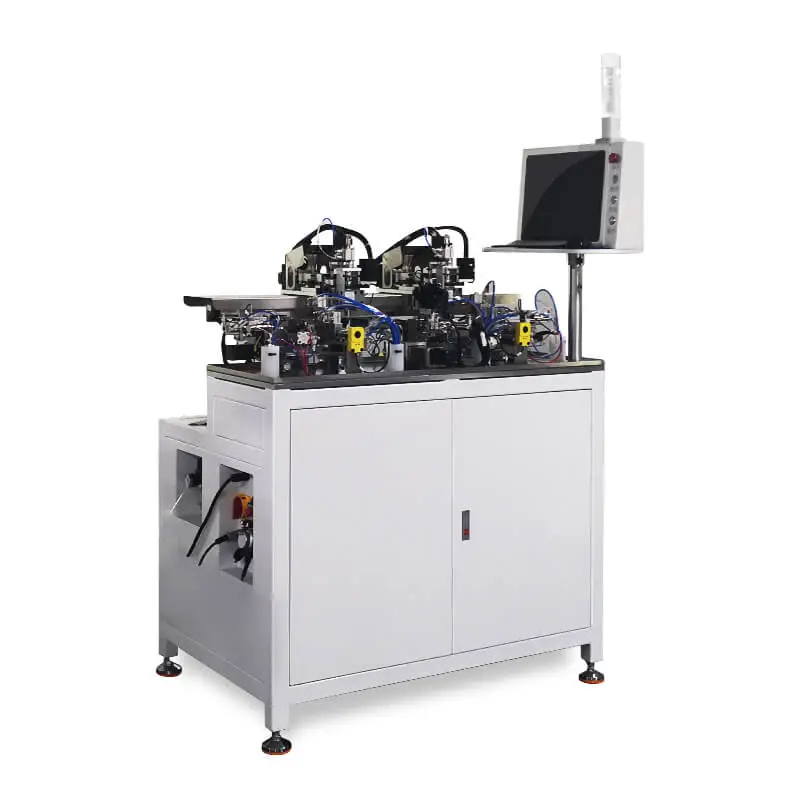
Máy đánh bóng gương vòng tay
Máy đánh bóng bán tự động mang lại bề mặt sáng gương hoàn hảo cho vòng tay tròn sau khi cắt, nâng cao chất lượng bề mặt và giá trị sản phẩm.
Sản phẩm liên quan:
Máy đánh bóng gương vòng tay
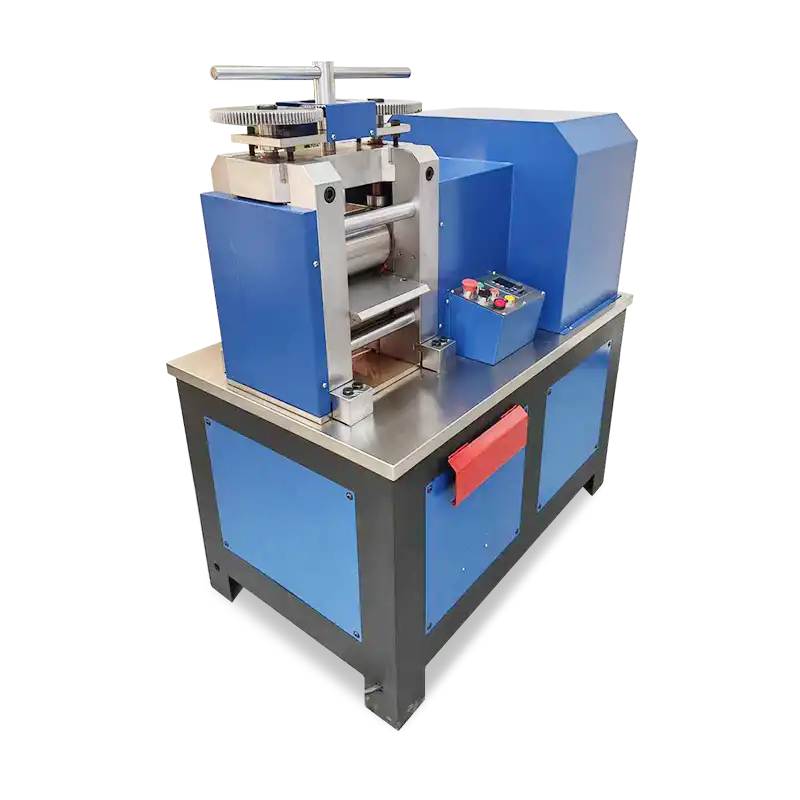
Máy quấn kênh
Tạo hình vòng tay, nhẫn và hoa tai từ vật liệu dạng dải phẳng, mang lại điểm khởi đầu chính xác cho việc cắt và hoàn thiện.
Sản phẩm liên quan:
Máy cuộn kênh vàng & bạc
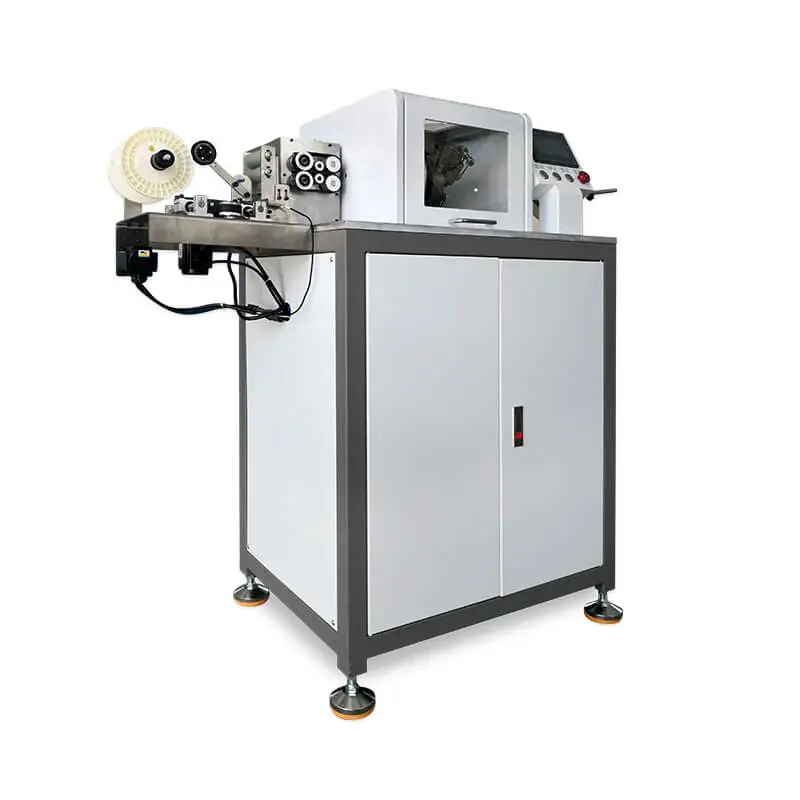
Máy cắt kim cương cho dây và ống
Tạo ra dây và ống trang trí với họa tiết cắt đồng nhất cho thiết kế vòng tay và các linh kiện trang sức khác.
Sản phẩm liên quan:
Máy cắt kim cương cho dây và ống
Với sự kết hợp đúng đắn giữa thiết bị và quy trình kỷ luật, các nhà sản xuất có thể tạo ra vòng tay với họa tiết cắt kim cương đồng nhất, chất lượng cao với chi phí cạnh tranh.
Kết luận
Cắt kim cương vòng tay là một cách đã được chứng minh để tăng giá trị sản phẩm và tạo sự khác biệt cho dòng trang sức của bạn. Dù bạn chọn phương pháp thủ công, bán tự động hay CNC, kết quả đồng nhất phụ thuộc vào việc chuẩn bị vật liệu đúng cách, cài đặt máy chính xác, dụng cụ sắc bén và thiết bị đáng tin cậy. Sible Jewelry Machinery cung cấp máy móc, dụng cụ và hỗ trợ kỹ thuật để giúp bạn xây dựng dây chuyền sản xuất vòng tay hiệu quả.
Liên hệ với chúng tôi ngay hôm nay để được tư vấn thiết bị và báo giá nhà máy cạnh tranh phù hợp với yêu cầu sản xuất của bạn.
Để lại tin nhắn trực tuyến


