
 English

Máy Uốn Dây Trang Trí Hoa: Hướng Dẫn Sản Xuất Trang Sức Trang Trí
Hoa văn dây kim loại — mây lành, xoắn ốc khít, cung bốn góc — đã là dấu ấn của trang sức cao cấp trong nhiều thập kỷ. Trước đây, để tạo ra các chi tiết trang trí này cần những bàn tay khéo léo uốn dây từng chiếc một, mỗi chiếc lại khác nhau đôi chút. Ngày nay, các nhà máy trang sức sử dụng máy tạo hình dây hoa văn để tạo các hoa văn tương tự từ dây vàng, bạc, đồng và vàng K với độ chính xác lặp lại và chi phí chỉ bằng một phần nhỏ so với thủ công.
Hướng dẫn này giải thích máy tạo hình dây hoa văn là gì, có thể tạo ra những hoa văn nào, cách chọn máy cho xưởng của bạn và các vấn đề thường gặp mà nhà sản xuất gặp phải — kèm giải pháp thực tế.
Máy Tạo Hình Dây Hoa Văn Là Gì?
Máy tạo hình dây hoa văn là một trạm tạo hình dây nhỏ gọn, đưa dây kim loại quý qua các khuôn định hình và thanh dẫn có thể điều chỉnh để tạo ra các hình dạng trang trí như xoắn ốc, cung, mây và hoa văn đường nét hình học. Thay vì uốn từng chi tiết bằng tay, người vận hành chỉ cần cài đặt thông số tạo hình một lần, máy sẽ tái tạo hình dạng tương tự một cách nhất quán trong suốt quá trình sản xuất dài.
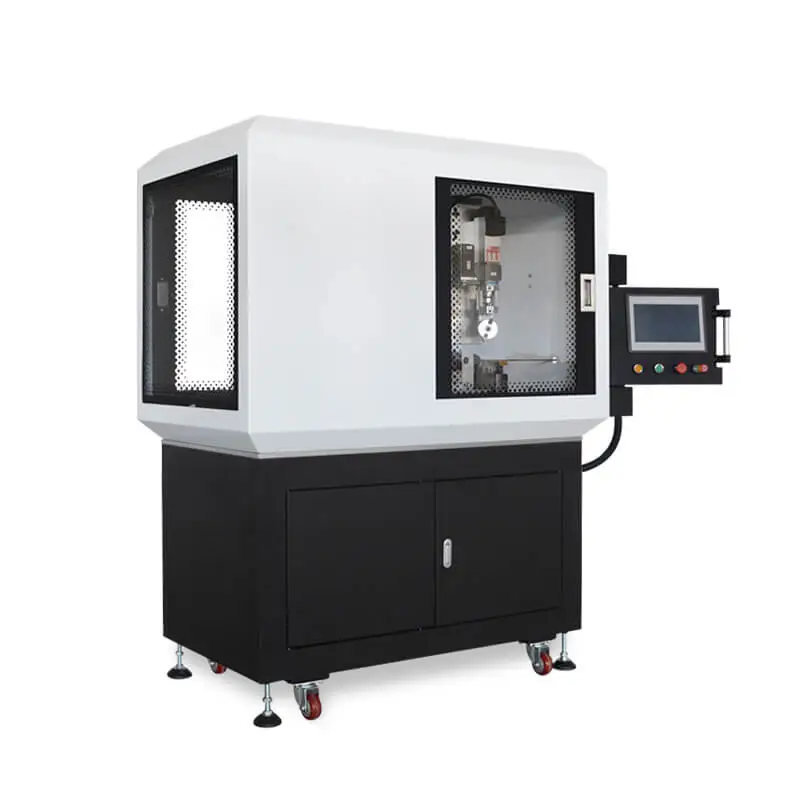
Ví dụ, máy tạo hình dây hoa văn Sible hỗ trợ dây vàng, bạc, đồng và vàng K, xử lý đường kính dây từ 0,3 mm đến 3,0 mm (có thể điều chỉnh) và cung cấp năm hoặc nhiều kiểu hoa văn trang trí bao gồm mây, xoắn ốc, cung và thiết kế tùy chỉnh. Thiết kế nhỏ gọn — khoảng 500 mm × 300 mm × 600 mm với động cơ 0,5 KW — giúp máy dễ dàng lắp đặt trong các xưởng nhỏ cũng như trong các dây chuyền sản xuất lớn.
Các chi tiết hoàn thiện điển hình:
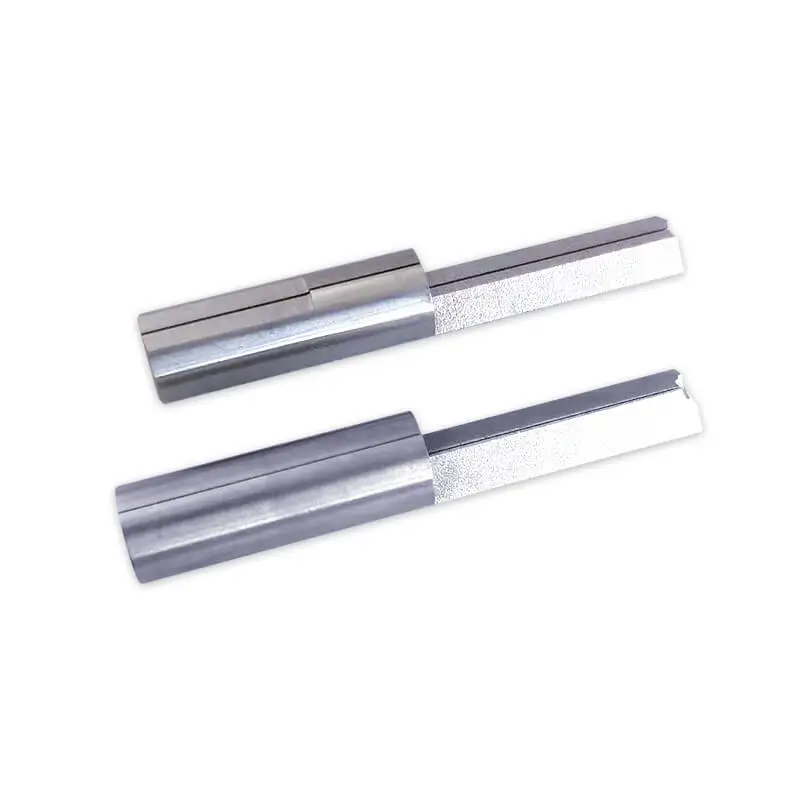
nhẫn với dây trang trí, khung bông tai, viền mặt dây chuyền, charm vòng tay và các chi tiết dây trang sức tùy chỉnh.
Vì Sao Tạo Hình Dây Trang Trí Được Ưa Chuộng Trong Sản Xuất Trang Sức
1. Linh hoạt thiết kế mà không cần khuôn đúc mới
Với chi tiết đúc, mỗi thiết kế mới đòi hỏi khuôn mới và thời gian chờ đợi. Trang trí bằng dây tạo hình không cần khuôn: chuyển từ hoa văn xoắn ốc sang mây chỉ là điều chỉnh thông số, không phải là dự án chế tạo khuôn.
2. Đầu ra nhất quán mà thủ công không thể đạt được
| Kích thước | Uốn tay | Máy tạo hình dây hoa |
|---|---|---|
| Độ nhất quán đầu ra | Phụ thuộc vào tay nghề công nhân | Độ lặp lại cao |
| Tốc độ sản xuất | Chậm, từng chiếc một | Cấp liệu tự động liên tục |
| Chi phí nhân công mỗi sản phẩm | Cao | Thấp |
| Thời gian đào tạo | Nhiều tháng thực hành | Đào tạo thiết lập ngắn |
| Chuyển đổi mẫu | Học lại từng kiểu | Điều chỉnh thông số |
3. Linh kiện trang sức nhẹ, dạng rỗng
Trang trí bằng dây kim loại tạo thêm độ phong phú về thị giác mà không cần khối lượng kim loại lớn, phù hợp với các dòng trang sức nhẹ và rỗng giúp kiểm soát chi phí nguyên vật liệu.
Máy tạo hình dây hoa hoạt động như thế nào?
Nguyên lý hoạt động là một chu trình tạo hình có kiểm soát được lặp lại liên tục:
Bước 1 – Cấp dây.
Máy kéo dây từ cuộn qua bộ phận nắn thẳng và kiểm soát lực căng, giúp vật liệu đầu vào mịn và không bị gấp khúc.
Bước 2 – Tạo hình mẫu.
Dây đi qua các khuôn tạo hình, con lăn hoặc thanh dẫn có thể điều chỉnh để uốn thành hình dạng đã chọn. Vì hình dạng tạo hình được cố định bởi khuôn và cài đặt, mỗi chi tiết đều khớp với chi tiết trước đó.
Bước 3 – Xuất ra và cắt.
Dây đã tạo hình được đẩy ra với tốc độ cài đặt và tách thành từng chi tiết riêng lẻ, sẵn sàng để lắp ráp thành nhẫn, bông tai, mặt dây chuyền hoặc charm.
| Giai đoạn sản xuất | Thiết bị chính | Điểm kiểm soát chính |
| Chuẩn bị dây | Máy cán / thiết bị kéo dây | Đường kính đồng đều và bề mặt sạch |
| Cấp dây | Bộ duỗi thẳng + kiểm soát lực căng | Không gấp khúc, lực căng ổn định |
| Tạo hình mẫu | Máy tạo hình dây hoa | Căn chỉnh khuôn, tốc độ 30–40 nhát/giây |
| Tách linh kiện | Bộ phận cắt trên máy | Chiều dài đồng đều từng sản phẩm |
| Lắp ráp | Liên kết thủ công hoặc bán tự động | Định hướng nhất quán |
Tốc độ làm việc có thể điều chỉnh, máy Sible thường chạy ở 30–40 nhát tạo hình mỗi giây, do đó một trạm làm việc có thể cấp liệu cho cả một bàn lắp ráp.
Máy tạo hình dây hoa có thể tạo ra những mẫu nào?
| Loại hoa văn | Đặc điểm hình ảnh | Ứng dụng điển hình |
| Hoa văn mây lành | Đường cong mềm mại, uyển chuyển | Chi tiết mặt dây chuyền và hoa tai |
| Hình xoắn ốc và xoắn kép | Vòng xoắn chặt, đều | Nhẫn, vòng tay, mặt dây chuyền |
| Thiết kế vòng cung bốn góc | Đường viền khung đối xứng | Khung dây trang trí |
| Họa tiết đường nét hình học | Hình dạng sạch sẽ, đều đặn | Chi tiết dây chuyền sản xuất hàng loạt |
| Hình dạng dây tùy chỉnh | Lập trình theo thiết kế của bạn | Sản xuất trang sức theo yêu cầu |
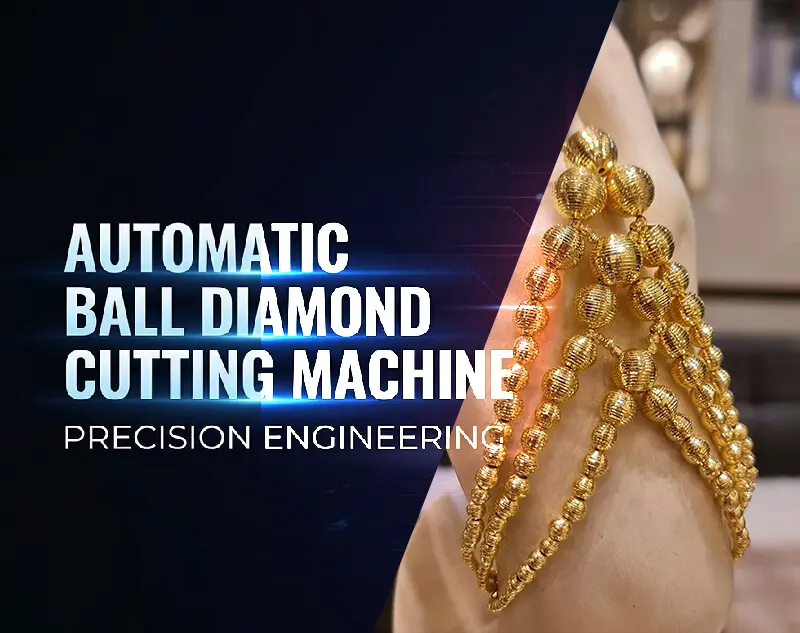
Các nhà sản xuất kết hợp các mẫu này với dây trơn, hạt cắt kim cương hoặc hạt rỗng để tạo thành các bộ phận trang sức hoàn chỉnh trong một quy trình liên tục.
Nó có thể xử lý những vật liệu nào?
Máy hoạt động với dây vàng, bạc, đồng và vàng K:
| Vật liệu | Sử dụng điển hình | Hành vi tạo hình |
| Vàng (9K–24K) | Trang sức cao cấp | Mềm, dễ tạo hình |
| Bạc | Trang sức đeo hàng ngày | Cứng hơn khi gia công; ủ giữa các công đoạn nếu cần |
| Vàng K | Nhẫn, vòng tay | Mạnh hơn; điều chỉnh tốc độ cho hợp kim cứng hơn |
| Đồng | Mẫu thực hành và trang phục | Vật liệu kinh tế cho đào tạo vận hành |
Phạm vi đường kính dây rất quan trọng: hãy xác nhận máy bao phủ các cỡ dây bạn thực sự sử dụng trước khi mua. Máy tạo hình dây hoa Sible bao phủ từ 0,3 mm đến 3,0 mm, trải dài từ công việc xích mảnh đến các bộ phận vòng đeo tay nặng hơn.
Các Yếu Tố Chính Khi Chọn Máy Tạo Hình Dây
Phạm vi đường kính dây.
Khớp máy với dây mảnh nhất và dày nhất của bạn. Phạm vi rộng hơn nghĩa là linh hoạt sản phẩm hơn.Khả năng tạo hoa văn.
Nếu danh mục sản phẩm của bạn xoay quanh các họa tiết đám mây, hãy đảm bảo bộ khuôn bao gồm kiểu đó; nếu bạn thiết kế các tác phẩm tùy chỉnh, hãy chọn máy có hình dạng tạo hình điều chỉnh/tùy chỉnh.Tốc độ và cấp liệu.
Cấp dây tự động với kiểm soát lực căng giúp đầu ra đồng đều và giảm mệt mỏi cho người vận hành.Tương thích vật liệu.
Xác nhận máy xử lý vàng, bạc, đồng và vàng K mà không bị mài mòn hoặc nhiễm bẩn quá mức.Kích thước và công suất.
Một thiết bị nhỏ gọn (khoảng 500 300 600 mm, 0,5 KW) phù hợp cho xưởng nhỏ; kiểm tra không gian bàn làm việc và nguồn điện 220 V của bạn.Hỗ trợ từ nhà sản xuất.
Nhà cung cấp trực tiếp từ nhà máy với hướng dẫn video từ xa, tài liệu và hỗ trợ phụ tùng giúp rút ngắn thời gian học tập của bạn.
Các vấn đề thường gặp và giải pháp thực tế
| Vấn đề | Nguyên nhân có thể | Giải pháp |
| Hình dạng hoa văn không đồng đều | Khuôn bị mòn hoặc lệch | Kiểm tra khuôn; căn chỉnh lại theo hướng dẫn |
| Dây bị gập hoặc kẹt | Lực kéo không đều | Vệ sinh và điều chỉnh bộ phận duỗi/căng dây |
| Bề mặt dây bị trầy xước | Bộ phận dẫn hướng bẩn hoặc có gờ | Đánh bóng bộ phận dẫn hướng; thay thế các bộ phận mòn |
| Hoa văn bị lệch dần trong quá trình chạy dài | Tốc độ quá cao cho hợp kim | Giảm tốc độ; kiểm tra vật liệu đồng nhất |
| Chiều dài đầu ra thay đổi | Bộ phận cắt sai thời điểm | Hiệu chỉnh lại khoảng thời gian cắt |
Máy tạo hình dây hoa trong dây chuyền sản xuất rộng hơn
Máy uốn dây hoa hiếm khi là máy duy nhất trong xưởng trang sức. Trong dây chuyền sản xuất tiêu biểu có trang bị Sible, nó hoạt động cùng với:
A
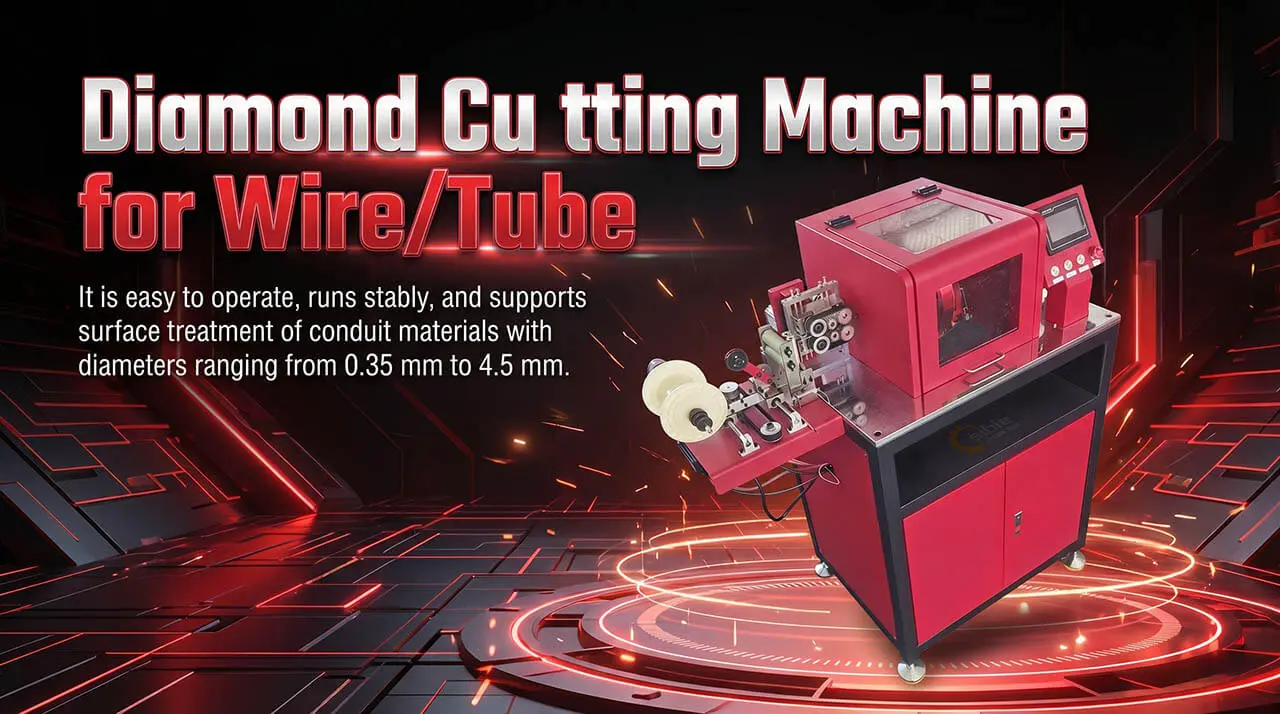
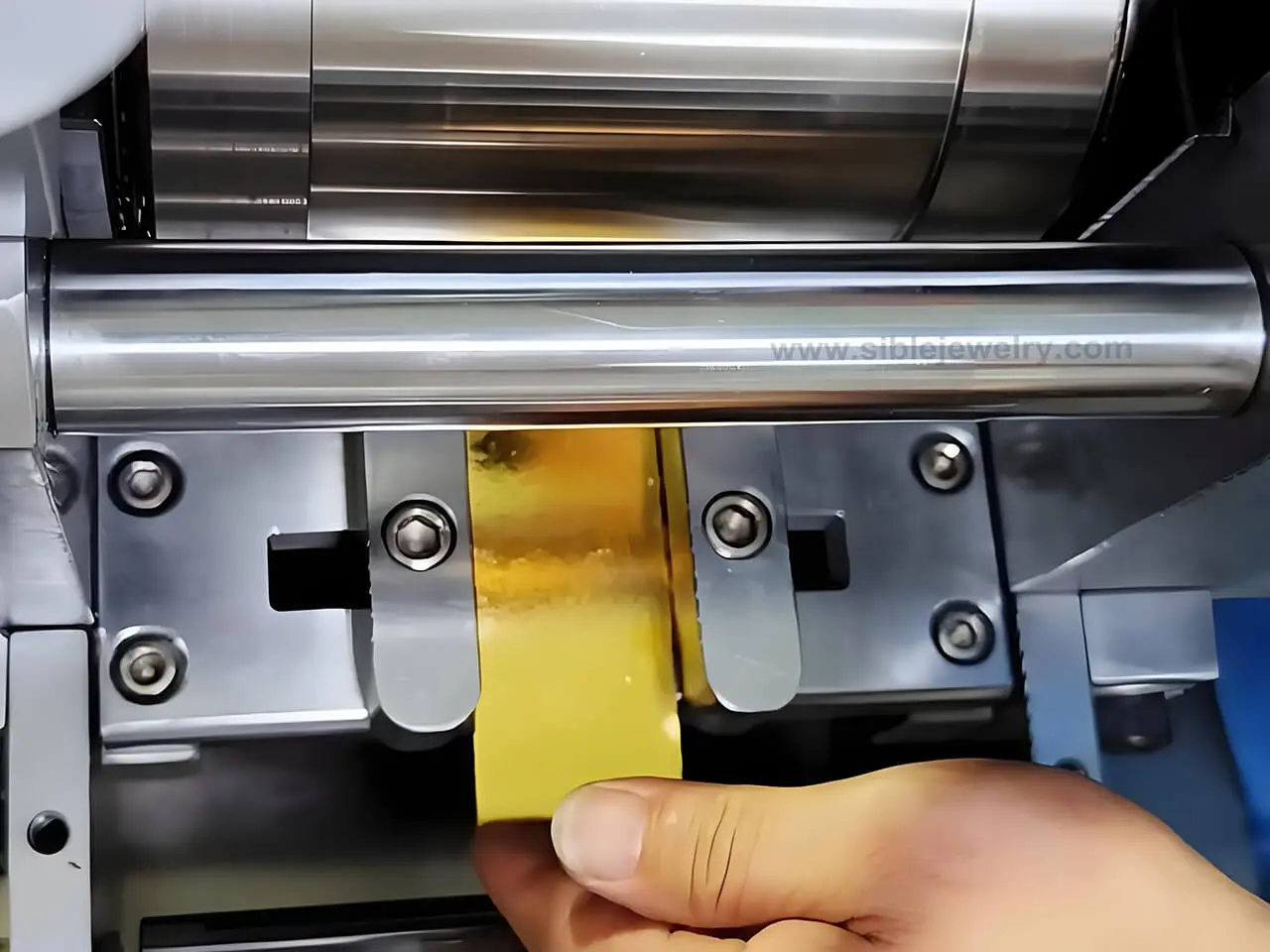
máy cắt kim cương cho dây và ống
để chuẩn bị phôi dây và ống chính xácA
máy tạo bi
cho các thành phần hạt dùng với dây trang tríA
máy cán trang sức
khi bạn tự kéo dải và dây từ thỏi kim loại
Để biết thêm ngữ cảnh về cách hạt và dây trang trí kết hợp với nhau, hãy đọc hướng dẫn của chúng tôi về
kích thước và hình dạng hạt bi
.
Câu hỏi thường gặp
Máy uốn dây hoa dùng để làm gì?
Máy dùng để uốn dây vàng, bạc, đồng hoặc vàng K thành các hình trang trí — mây, xoắn ốc, cung và các mẫu tùy chỉnh — cho nhẫn, bông tai, mặt dây chuyền, vòng tay và charm.
Máy uốn dây hoa có thể xử lý đường kính dây bao nhiêu?
Máy thông thường có dải điều chỉnh như 0,3 mm đến 3,0 mm. Xác nhận dải này khớp với cỡ dây bạn sử dụng trước khi mua.
Một máy có thể tạo ra nhiều mẫu không?
Có. Hầu hết máy hỗ trợ nhiều kiểu hoa văn, việc chuyển đổi giữa chúng được thực hiện bằng cách điều chỉnh thông số tạo hình hoặc thay đổi khuôn mẫu thay vì thay toàn bộ máy.
Máy uốn dây hoa có phù hợp với xưởng nhỏ không?
Có. Các mẫu máy gọn nhẹ chiếm diện tích tương đương một thiết bị để bàn (khoảng 500 mm × 300 mm × 600 mm) và hoạt động với nguồn điện 220 V tiêu chuẩn, phù hợp với xưởng nhỏ.
Sible có hỗ trợ sau khi mua hàng không?
Sible cung cấp tài liệu kỹ thuật, hướng dẫn video từ xa cho việc lắp đặt và vận hành, cùng hỗ trợ phụ tùng thay thế. Bảo hành mở rộng và lắp đặt tại chỗ có thể được sắp xếp cho các đơn hàng lớn.
Sẵn sàng thêm quy trình tạo hình dây trang trí vào sản xuất của bạn?
Dù bạn là xưởng nhỏ thêm một trạm tạo hình hay nhà máy chuẩn hóa toàn bộ dây chuyền dây trang trí, cấu hình máy phù hợp phụ thuộc vào đường kính dây, mẫu hoa văn mục tiêu và sản lượng hàng ngày của bạn. Gửi mẫu hoặc bản vẽ cho chúng tôi và chúng tôi sẽ tư vấn cấu hình phù hợp.
Liên hệ Sible Jewelry Machinery để nhận báo giá trực tiếp từ nhà máy và tư vấn kỹ thuật.
Để lại tin nhắn trực tuyến


