
 English

Máy uốn dây và ống cho sản xuất trang sức: Ứng dụng, Kỹ thuật và Hướng dẫn mua hàng
Máy tạo hình dây và ống là thiết bị quan trọng trong sản xuất trang sức, giúp tạo ra các biên dạng dây và ống đồng nhất, chất lượng cao, cần thiết cho dây chuyền, vòng tay, nhẫn và phụ kiện. Hướng dẫn toàn diện này bao gồm các ứng dụng, kỹ thuật và yếu tố cần cân nhắc khi lựa chọn máy tạo hình phù hợp cho dây chuyền sản xuất của bạn.
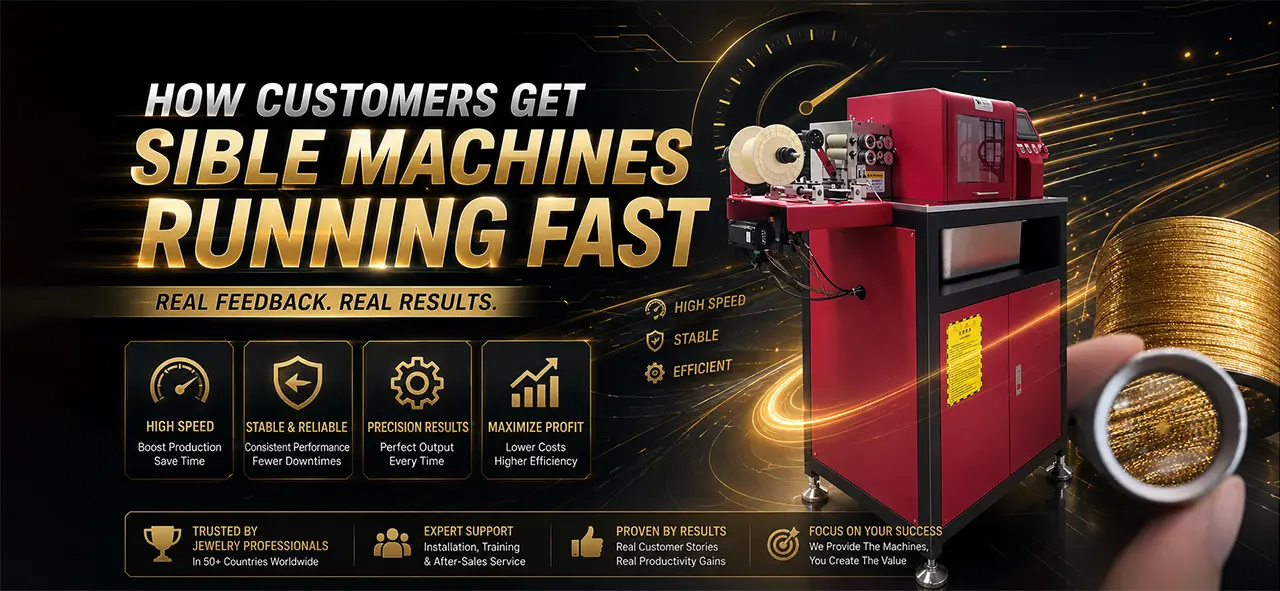
Máy Tạo Hình Dây và Ống Là Gì?
Máy tạo hình dây và ống là thiết bị công nghiệp chuyên dụng giúp định hình dây kim loại và ống thành các biên dạng và kích thước chính xác thông qua quá trình biến dạng cơ học. Khác với cắt hoặc gia công, tạo hình bảo toàn tính toàn vẹn của vật liệu trong khi đạt được hình dạng mong muốn — khiến nó trở nên lý tưởng cho quá trình xử lý kim loại quý, nơi việc tiết kiệm vật liệu là tối quan trọng.
Các máy này có nhiều cấu hình khác nhau tùy thuộc vào kỹ thuật tạo hình được sử dụng và chúng đóng vai trò là xương sống của nhiều hoạt động sản xuất trang sức, từ xưởng nhỏ đến nhà máy quy mô lớn.
Ứng Dụng Trong Sản Xuất Trang Sức
1. Sản Xuất Dây Chuyền và Vòng Tay
Biên dạng dây được tạo hình là nền tảng của hầu hết quá trình sản xuất dây chuyền và vòng tay. Máy tạo hình dây tạo ra các mặt cắt ngang đồng nhất, đảm bảo chất lượng mắt xích đồng đều trong suốt quá trình sản xuất, giảm lãng phí và cải thiện tính thẩm mỹ của sản phẩm cuối cùng.
2. Sản Xuất Nhẫn và Lắc Tay
Công nghệ tạo hình ống cho phép nhà sản xuất tạo ra các biên dạng rỗng và đặc cho nhẫn và lắc tay với độ dày thành và đường kính chính xác, yếu tố quan trọng cho sự thoải mái khi đeo và độ bền.
3. Phụ Kiện và Linh Kiện
Khóa bấm, vòng nhảy, chân bông tai và các phụ kiện khác yêu cầu hồ sơ dây và ống chính xác. Máy tạo hình mang lại độ lặp lại cần thiết cho những bộ phận nhỏ nhưng quan trọng này, nơi mà ngay cả những biến thể nhỏ cũng ảnh hưởng đến chức năng.
4. Yếu Tố Trang Trí
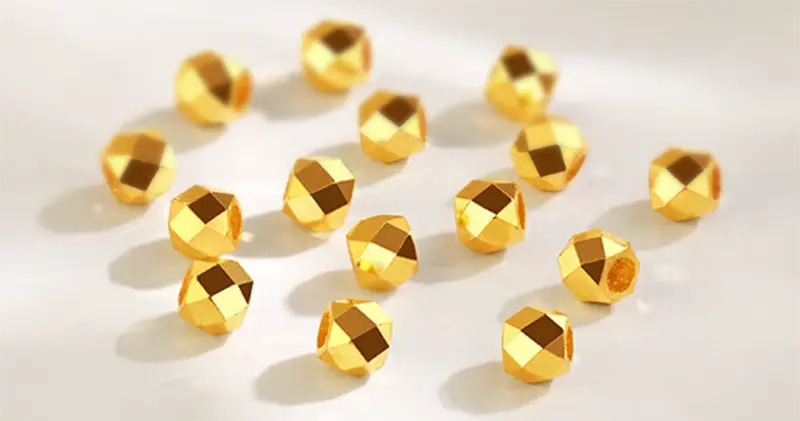
Từ filigree đến dây có kết cấu bề mặt, máy tạo hình cho phép tạo ra các yếu tố trang trí làm tăng giá trị cho trang sức cao cấp mà không tốn thêm chi phí lao động thủ công.
Các Kỹ Thuật Tạo Hình Dây và Ống
Tạo Hình Cán Lăn
Tạo hình cán lăn đưa kim loại qua các bộ con lăn liên tiếp, mỗi bộ dần dần định hình vật liệu cho đến khi đạt được hồ sơ cuối cùng. Kỹ thuật này lý tưởng để sản xuất các đoạn dây hoặc ống dài, đồng nhất với mặt cắt ngang đều.
Phù hợp cho:
Sản xuất quy mô lớn các loại thanh định hình tiêu chuẩn
Kéo dây (Wire Drawing)
Quá trình kéo dây làm giảm đường kính bằng cách kéo dây qua các khuôn có kích thước nhỏ dần. Kéo ống cũng hoạt động theo nguyên lý tương tự nhưng sử dụng một lõi định hình (mandrel) để kiểm soát đường kính trong. Kỹ thuật này mang lại dung sai chặt chẽ và bề mặt hoàn thiện nhẵn mịn.
Phù hợp cho:
Dây và ống chính xác đòi hỏi độ chính xác cao về kích thước
Uốn và Tạo hình (Bending and Forming)
Các máy uốn chuyên dụng tạo hình cho dây hoặc ống thẳng thành các đường cong, góc độ và hình dạng cụ thể. Máy uốn CNC có thể tạo ra các hình dạng hình học phức tạp với độ lặp lại cao.
Phù hợp cho:
Hình dạng tùy chỉnh, kết cấu hình học phức tạp và các thanh định hình có nhiều điểm uốn
Ép định hình (Swaging)
Phương pháp ép định hình sử dụng lực hướng tâm để thu nhỏ hoặc tạo hình cho ống và dây kim loại mà không loại bỏ vật liệu. Quy trình tạo hình nguội này đặc biệt phù hợp để sản xuất các đoạn ống thuôn dần (tapered sections) và các linh kiện trang sức chuyên dụng.
Phù hợp cho:
Các bộ phận thuôn nhọn và chuyển tiếp biên dạng liền mạch
Những Điểm Quan Trọng Khi Chọn Máy Định Hình
Tương Thích Vật Liệu
Các kim loại quý và hợp kim khác nhau có hành vi khác nhau dưới áp lực định hình. Đảm bảo máy bạn chọn có thể xử lý các vật liệu chính (vàng, bạc, bạch kim, paladi, hợp kim đồng) và dải độ cứng điển hình của chúng. Máy có cài đặt áp suất và tốc độ điều chỉnh mang lại sự linh hoạt cao hơn cho nhiều loại vật liệu.
Yêu Cầu Về Độ Chính Xác và Dung Sai
Các ứng dụng trang sức thường yêu cầu dung sai trong phạm vi micron. Hãy tìm những máy có:
Hệ thống điều khiển chính xác dẫn động servo
Màn hình hiển thị kỹ thuật số để thiết lập và giám sát
Độ chính xác lặp lại trong khoảng ±0.01mm hoặc tốt hơn
Hiệu suất ổn định trong suốt các chu kỳ sản xuất dài
Khối lượng và Tốc độ Sản xuất
Khối lượng sản xuất của bạn quyết định mức độ tự động hóa phù hợp:
Xưởng nhỏ (1-5 kg/ngày):
Máy tạo hình thủ công hoặc bán tự động với thời gian chuyển đổi nhanhCơ sở sản xuất vừa (5-20 kg/ngày):
Máy tạo hình tự động với các cấu hình lập trình đượcNhà máy lớn (20+ kg/ngày):
Dây chuyền tạo hình hoàn toàn tự động với hệ thống cấp liệu và thu gom tích hợp
Dễ dàng thiết lập và chuyển đổi
Trong sản xuất trang sức, việc thay đổi mẫu mã thường xuyên là điều phổ biến. Máy có hệ thống khuôn thay nhanh hoặc không cần dụng cụ có thể giảm đáng kể thời gian ngừng hoạt động. Cân nhắc:
Thời gian cần thiết để chuyển đổi giữa các mẫu
Khả năng cài đặt sẵn hoặc lập trình các thông số mẫu
Yêu cầu đào tạo vận hành cho quy trình thiết lập
Tính năng tự động hóa và tích hợp
Máy tạo hình hiện đại cung cấp nhiều tính năng tự động hóa giúp nâng cao hiệu quả:
Hệ thống cấp liệu tự động cho hoạt động liên tục
Đo chiều dài và cắt tích hợp
Ghi nhật ký dữ liệu để kiểm soát chất lượng và truy xuất nguồn gốc
Kết nối mạng để tích hợp dây chuyền sản xuất
Giải pháp tạo hình dây và ống của Sible
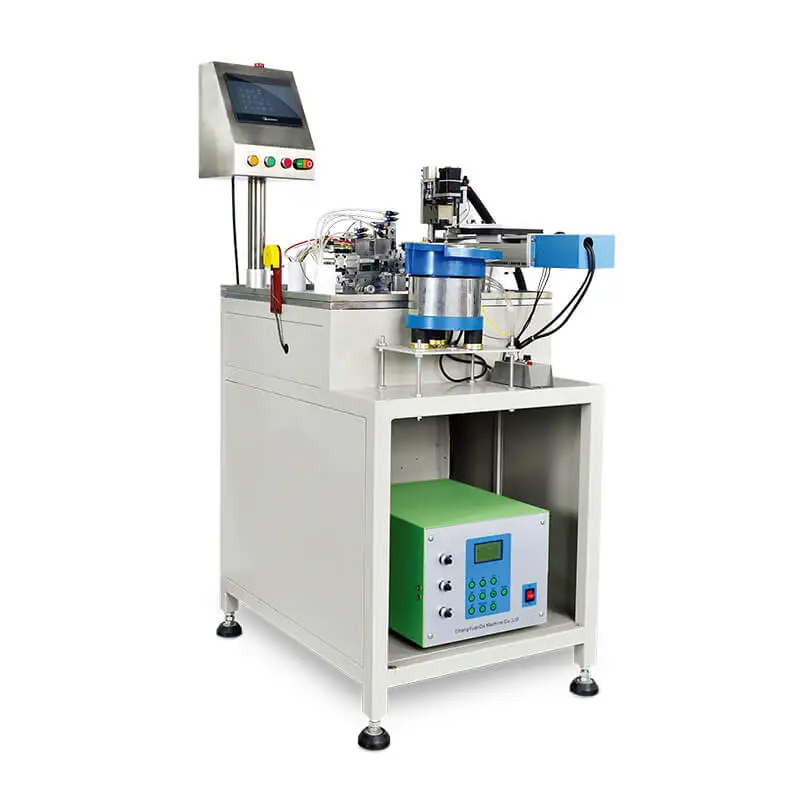
Sible cung cấp dòng máy tạo hình dây và ống được thiết kế đáp ứng yêu cầu độ chính xác trong sản xuất trang sức. Thiết bị của chúng tôi kết hợp độ tin cậy cơ học với điều khiển độ chính xác kỹ thuật số, đảm bảo đầu ra ổn định trong suốt các chu kỳ sản xuất.
Các tính năng chính của máy tạo hình Sible:
Hệ thống con lăn được gia công chính xác cho các biên dạng ổn định
Điều khiển động cơ servo với độ lặp lại ±0.01mm
Hệ thống khuôn thay nhanh giảm thiểu thời gian chuyển đổi
Cấp liệu và thu gom tự động cho vận hành liên tục không cần giám sát
Tương thích đa kim loại (vàng, bạc, đồng, đồng thau và nhiều loại khác)
Kết cấu bền bỉ được thiết kế cho môi trường sản xuất 24/7
Bảo trì và tuổi thọ
Bảo trì đúng cách giúp kéo dài tuổi thọ máy tạo hình và đảm bảo chất lượng ổn định:
Hằng ngày:
Vệ sinh con lăn và khuôn; kiểm tra mức bôi trơn; kiểm tra dấu hiệu mài mònHằng tuần:
Kiểm tra căn chỉnh và hiệu chuẩn; vệ sinh cơ cấu nạp liệu; kiểm tra kết nối điệnHằng tháng:
Kiểm tra vòng bi và bạc đạn; thay thế khuôn mòn; kiểm tra hệ thống an toànHằng quý:
Hiệu chuẩn toàn diện; kiểm tra toàn bộ hệ thống; cập nhật phần mềm nếu có
Việc tuân thủ lịch bảo trì của nhà sản xuất là điều cần thiết để được bảo hành và đạt hiệu suất tối ưu. Sible cung cấp tài liệu bảo trì chi tiết và hỗ trợ từ xa cho tất cả thiết bị tạo hình.
Cân nhắc về Đầu tư và ROI
Khi đánh giá đầu tư máy tạo hình, hãy xem xét tổng chi phí sở hữu:
Giá mua ban đầu:
So sánh các tính năng với yêu cầu sản xuất của bạnChi phí lắp đặt và đào tạo:
Tính đến thời gian thiết lập và đào tạo người vận hànhChi phí khuôn và dụng cụ:
Các cấu hình tùy chỉnh yêu cầu dụng cụ chuyên dụngBảo trì và phụ tùng thay thế:
Dự trù ngân sách cho bảo trì định kỳ và vật tư tiêu haoTiêu thụ năng lượng:
Máy truyền động servo hiện đại mang lại khả năng tiết kiệm năng lượng đáng kể
Hầu hết các nhà sản xuất trang sức đạt được ROI trong vòng 12-18 tháng sau khi thêm máy tạo hình, nhờ giảm chi phí nhân công, tiết kiệm vật liệu từ các cấu hình đồng nhất và tăng năng suất sản xuất.
Kết luận
Máy tạo hình dây và ống là nền tảng cơ bản cho sản xuất trang sức hiệu quả. Bằng cách hiểu rõ các kỹ thuật hiện có, đánh giá yêu cầu sản xuất của bạn và đánh giá máy dựa trên độ chính xác, khả năng tương thích và tính năng tự động hóa, bạn có thể lựa chọn thiết bị mang lại giá trị lâu dài cho hoạt động của mình.
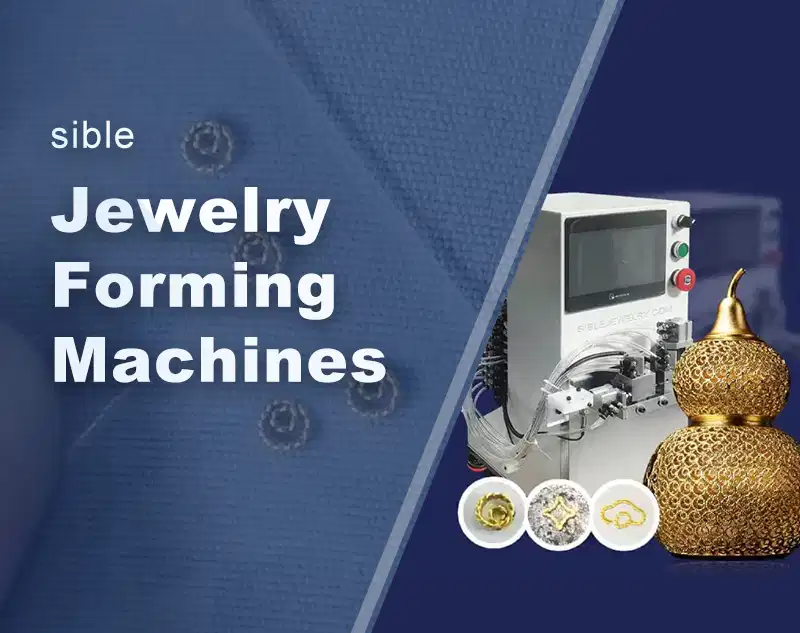
Máy uốn dây và ống của Sible được thiết kế chuyên biệt cho các ứng dụng sản xuất trang sức, kết hợp kỹ thuật chính xác với các tính năng sản xuất thực tế. Dù bạn đang mở rộng công suất hay nâng cấp thiết bị hiện có, đội ngũ của chúng tôi có thể giúp bạn xác định giải pháp uốn phù hợp với nhu cầu.
Để lại tin nhắn trực tuyến


