
 English

Máy cắt kim cương bi: Hướng dẫn vận hành đầy đủ cho nhà sản xuất hạt trang sức (2026)
Bạn đang muốn khai thác tối đa chiếc máy cắt kim cương bi của mình? Dù bạn mới làm quen với máy cắt kim cương hay muốn tối ưu hóa quy trình hiện tại, hướng dẫn toàn diện này sẽ giúp bạn vận hành, bảo trì và xử lý sự cố máy cắt kim cương bi một cách hiệu quả.
Máy cắt kim cương bi là thiết bị thiết yếu trong sản xuất trang sức hiện đại để tạo ra các bề mặt cắt kim cương (faceted) lấp lánh trên hạt vàng, bạc và các kim loại quý khác. Bài viết này bao gồm mọi thứ từ thiết lập ban đầu đến xử lý sự cố nâng cao.
Mục lục
1. Hiểu về máy cắt kim cương bi của bạn
2. Thiết lập và hiệu chuẩn
3. Lựa chọn và thay thế dụng cụ kim cương
4. Lập trình và điều chỉnh hoa văn
5. Gia công các vật liệu khác nhau: hạt vàng, bạc và đồng
6. Danh sách bảo trì hàng ngày và hàng tuần
7. Các sự cố thường gặp và giải pháp
Câu hỏi thường gặp
1. Hiểu về máy cắt kim cương bi của bạn
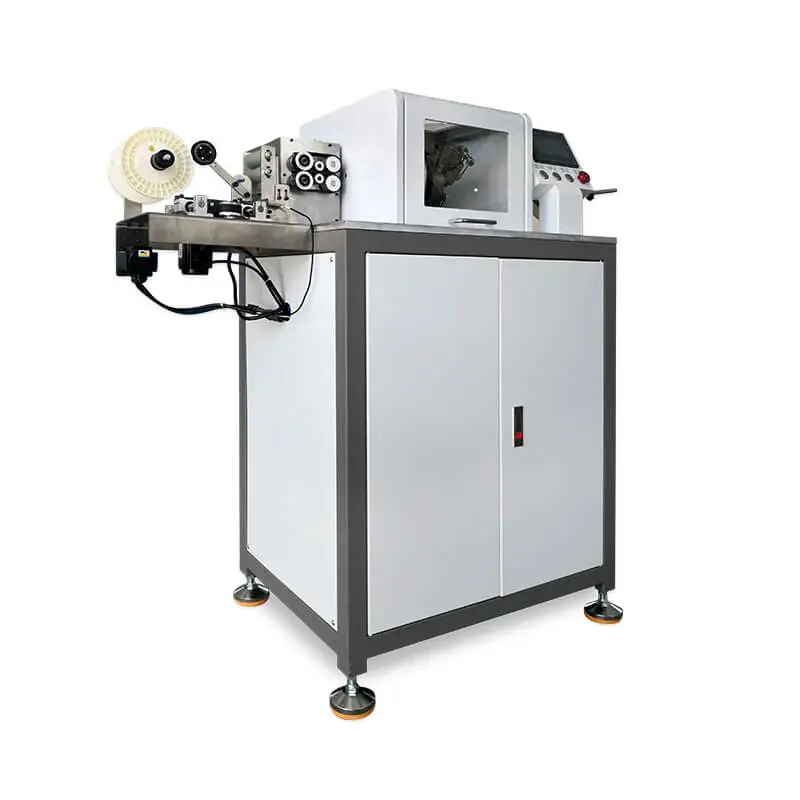
Máy cắt kim cương bi là thiết bị điều khiển CNC sử dụng dụng cụ cắt gắn kim cương để tạo ra các mặt cắt chính xác trên bề mặt hạt kim loại. Không giống như mài thủ công, máy CNC đảm bảo độ sâu và góc cắt đồng đều trên từng hạt, tạo ra chất lượng nhất quán ngay cả khi sản xuất hàng loạt.
Các bộ phận chính
Hệ thống điều khiển CNC: Bộ não của máy — lưu trữ và thực thi các hoa văn cắt với độ chính xác cấp micron.
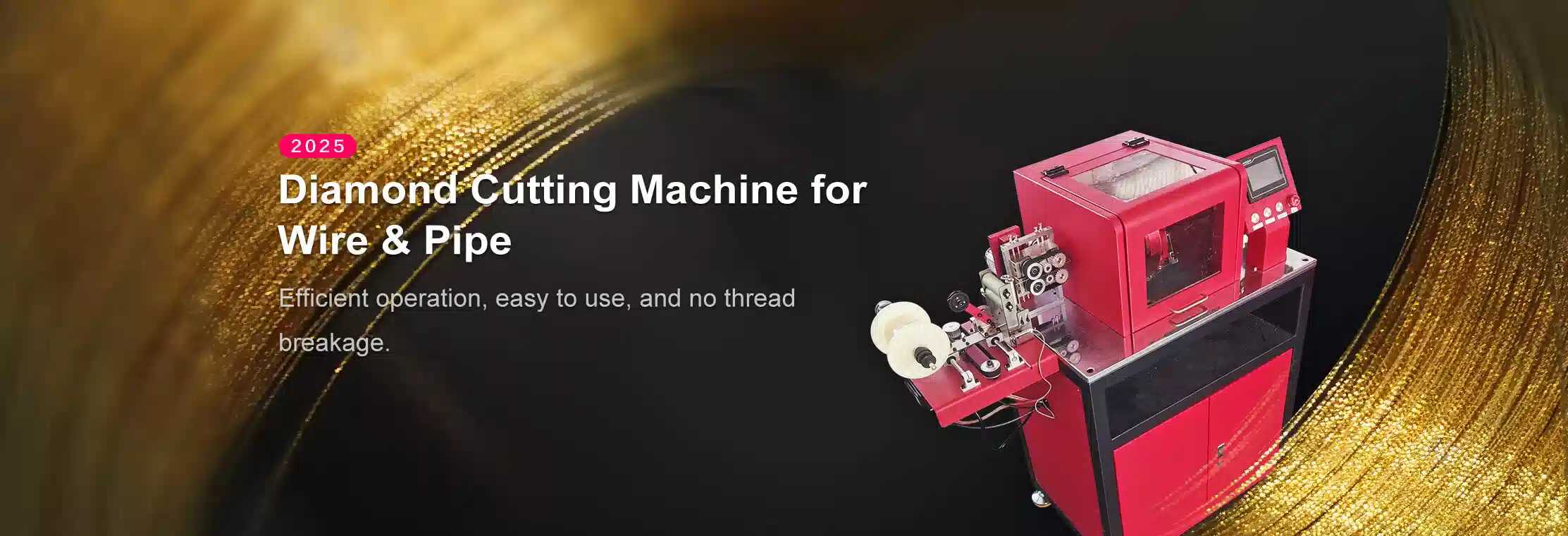
Đầu cắt kim cương: Chứa dụng cụ kim cương và điều khiển độ sâu cắt cùng góc cắt. Mẫu một đầu tập trung vào từng hạt riêng lẻ, trong khi mẫu hai đầu xử lý hai hạt cùng lúc để tăng gấp đôi năng suất.
Cơ chế kẹp tự động: Giữ chặt từng hạt trong quá trình cắt mà không làm hỏng bề mặt.
Hệ thống cấp liệu tự động: Nạp hạt từ phễu hoặc băng chuyền, giảm thao tác thủ công.
Khay thu vật liệu: Thu gom hạt đã cắt và mạt kim loại để tái chế.
Kích thước hạt tương thích
Hầu hết các máy cắt kim cương bi tự động xử lý hạt có đường kính từ Φ2.0 mm đến Φ8.0 mm. Điều này bao phủ phần lớn kích thước hạt trang sức dùng cho vòng tay, vòng cổ, bông tai và các sản phẩm trang sức khác. Kiểm tra thông số kỹ thuật của máy để xác nhận dải kích thước hỗ trợ.
2. Thiết lập và hiệu chuẩn
Thiết lập máy đúng cách là yếu tố quyết định cho chất lượng cắt đồng đều. Thực hiện các bước sau mỗi lần thay đổi kích thước hạt hoặc vật liệu:
Bước 1: Chọn đúng hàm kẹp
Chọn hàm kẹp khớp với đường kính hạt của bạn. Hàm quá lớn sẽ không giữ được hạt chắc chắn, trong khi hàm quá nhỏ có thể làm biến dạng hạt. Tham khảo bảng kích thước trong sách hướng dẫn máy.
Bước 2: Cài đặt độ sâu cắt
Độ sâu cắt phụ thuộc vào vật liệu và bề mặt hoàn thiện mong muốn. Theo nguyên tắc chung:
Vàng (24K): 0,05–0,10 mm mỗi lần cắt (kim loại mềm, cắt sâu có nguy cơ biến dạng)
Vàng (14K–18K): 0,08–0,15 mm mỗi lần cắt
Bạc: 0,10–0,20 mm mỗi lần cắt
Đồng/Đồng thau: 0,10–0,25 mm mỗi lần cắt (kim loại cứng hơn có thể cắt sâu hơn)
Luôn bắt đầu với đường cắt nông hơn và tăng dần. Hệ thống điều khiển CNC trên máy Sible cho phép cài đặt chính xác độ sâu từng đường cắt, giúp bạn tinh chỉnh dễ dàng.
Bước 3: Căn chỉnh dụng cụ cắt
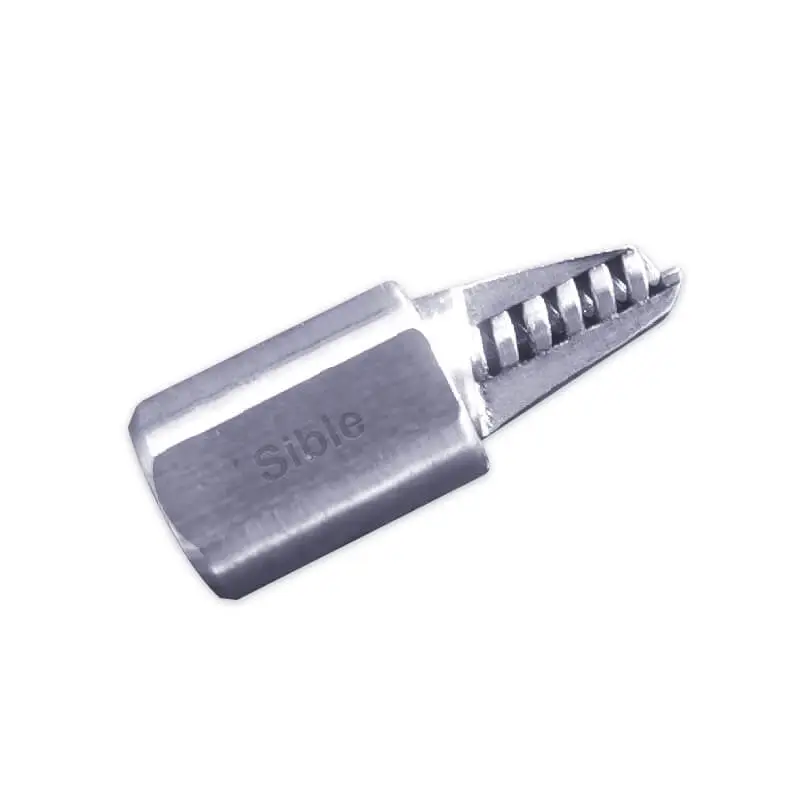
Đảm bảo đầu dụng cụ kim cương tiếp xúc với bề mặt hạt ở góc chính xác. Dụng cụ lệch sẽ tạo ra độ sâu cắt không đều và hoa văn không đẹp. Sử dụng kính lúp hoặc kính hiển vi để kiểm tra căn chỉnh trước khi bắt đầu sản xuất.
3. Lựa chọn và thay thế dụng cụ kim cương
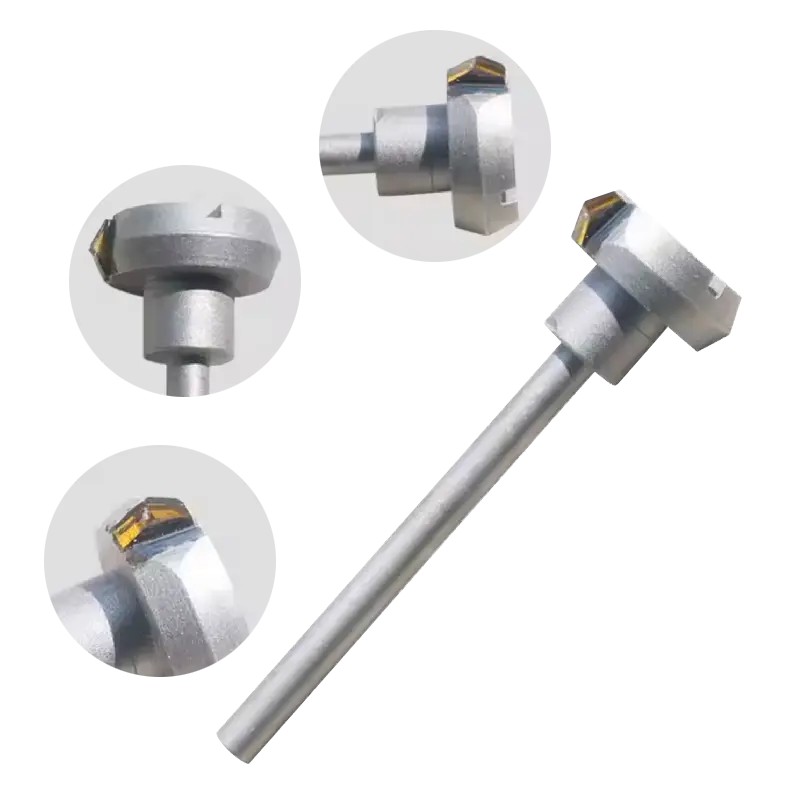
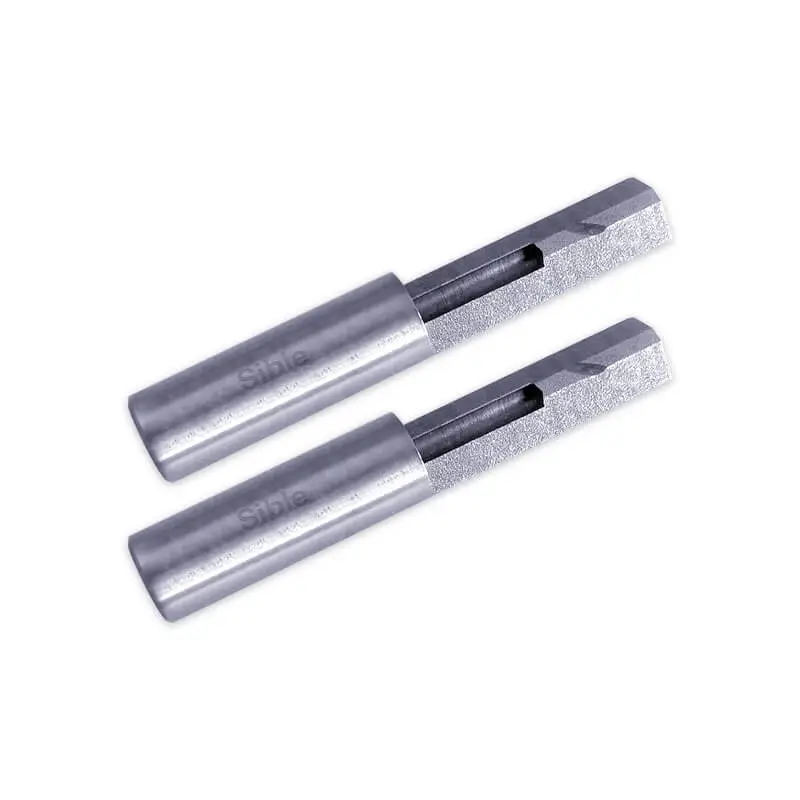
Dụng cụ cắt kim cương là phụ tùng tiêu hao quan trọng nhất trên máy của bạn. Sử dụng đúng dụng cụ và thay thế kịp thời sẽ đảm bảo chất lượng cắt nhất quán và kéo dài tuổi thọ máy.
Hình dạng dụng cụ và ứng dụng
Hình chữ V (60°–90°): Phù hợp cho mặt cắt tiêu chuẩn, hoa văn hình học | Tuổi thọ điển hình: 8.000–12.000 hạt (vàng/bạc)
Đầu tròn: Phù hợp cho đường trang trí, hoa văn rãnh | Tuổi thọ: 10.000–15.000 hạt
Đầu phẳng: Phù hợp cho mặt cắt phẳng, khắc logo | Tuổi thọ: 6.000–10.000 hạt
Biên dạng tùy chỉnh: Thiết kế hoa văn riêng cho từng thương hiệu | Tuổi thọ thay đổi theo độ phức tạp thiết kế
Khi nào cần thay dụng cụ
Dụng cụ kim cương bị mòn hoặc sứt mẻ rõ ràng; Bề mặt hạt sau cắt thô ráp; Rung động tăng trong quá trình cắt; Độ sâu cắt không đồng đều giữa các hạt trong cùng mẻ; Thời gian cắt tăng lên đáng kể.
4. Lập trình và điều chỉnh hoa văn
Máy cắt kim cương bi CNC hiện đại hỗ trợ nhiều tùy chọn hoa văn. Hiểu cách lập trình và điều chỉnh sẽ giúp bạn tận dụng tối đa khả năng của máy.
Hoa văn cài sẵn
Hầu hết máy được trang bị 10–20 hoa văn tích hợp bao gồm: Mặt cắt tiêu chuẩn (cắt kim cương 4 mặt, 6 mặt, 8 mặt); Đường xoắn ốc và hoa văn zig-zag; Thiết kế hình học trang trí; Khắc chữ/logo tùy chỉnh.
Tạo hoa văn tùy chỉnh
Để tạo hoa văn tùy chỉnh: Truy cập giao diện lập trình CNC trên màn hình cảm ứng của máy; Xác định thông số cắt: góc bắt đầu, độ sâu cắt, số mặt cắt, tốc độ xoay; Xem trước hoa văn trên màn hình trước khi cắt; Lưu vào bộ nhớ máy để sử dụng sau; Chạy thử mẻ 5–10 hạt để kiểm tra chất lượng.
Hoa văn có thể được lưu trữ vô thời hạn và gọi lại theo tên hoặc mã số — rất hữu ích khi chuyển đổi giữa các thiết kế sản phẩm khác nhau.
5. Gia công các vật liệu khác nhau: hạt vàng, bạc và đồng
Mỗi kim loại có hành vi khác nhau khi cắt kim cương. Đây là những điều bạn cần biết:
Hạt vàng
Vàng 24K: Rất mềm — yêu cầu cắt nông (0,05–0,10 mm), tốc độ cấp liệu chậm hơn và dụng cụ sắc bén. Áp lực quá mức có thể làm biến dạng hạt.
Vàng 14K–18K: Hành vi cắt tốt. Thông số tiêu chuẩn hoạt động hiệu quả. Các hợp kim này tạo ra bề mặt mặt cắt sạch, sáng bóng.
Vàng K: Tương tự 14K–18K. Đảm bảo dụng cụ sắc bén — dụng cụ cùn tạo ra nhiệt tích tụ có thể làm đổi màu hạt.
Hạt bạc
Bạc cắt sạch ở độ sâu trung bình (0,10–0,20 mm). Bạc dễ gia công hơn vàng nhưng tạo ra phoi mịn hơn cần vệ sinh thường xuyên.
Hạt đồng và đồng thau
Các vật liệu cứng hơn này cho phép cắt sâu hơn (0,10–0,25 mm) nhưng gây mài mòn dụng cụ nhanh hơn. Sử dụng dụng cụ hình chữ V hoặc đầu phẳng để có kết quả tốt nhất và kiểm tra dụng cụ thường xuyên hơn.
6. Danh sách bảo trì hàng ngày và hàng tuần
Công việc hàng ngày (mỗi ca)
✓ Vệ sinh khay thu vật liệu và xử lý mạt kim loại
✓ Kiểm tra dụng cụ kim cương xem có bị mòn hoặc sứt mẻ không
✓ Lau sạch hàm kẹp bằng vải mềm
✓ Kiểm tra mức dung dịch làm mát/bôi trơn nếu có
✓ Chạy thử mẻ 5 hạt đầu ca
Công việc hàng tuần
✓ Tháo và vệ sinh cơ chế kẹp kỹ lưỡng
✓ Kiểm tra độ căng dây đai và căn chỉnh hệ thống truyền động
✓ Bôi trơn ray dẫn hướng và trục vít bi (tham khảo sách hướng dẫn máy)
✓ Kiểm tra kết nối điện và bó cáp
✓ Sao lưu thư viện hoa văn CNC sang thiết bị ngoài
Công việc hàng tháng
✓ Thay các bộ phận mài mòn (dây đai, gioăng, bộ lọc)
✓ Kiểm tra hiệu chuẩn toàn bộ bằng hạt tham chiếu
✓ Kiểm tra cập nhật phần mềm/chương trình cơ sở
✓ Vệ sinh sâu tất cả khe thông gió và quạt làm mát
7. Các sự cố thường gặp và giải pháp
Độ sâu mặt cắt không đều trên cùng một hạt: Nguyên nhân: kẹp lệch hoặc dụng cụ mòn | Giải pháp: hiệu chuẩn lại kẹp, thay dụng cụ kim cương
Bề mặt hạt có vết rung (chatter): Nguyên nhân: độ sâu hoặc tốc độ cắt quá lớn | Giải pháp: giảm độ sâu mỗi lần cắt, hạ tốc độ xoay
Máy rung khi cắt: Nguyên nhân: bu lông lắp đặt lỏng hoặc vòng bi mòn | Giải pháp: siết chặt bu lông, kiểm tra vòng bi
Hoa văn không đồng đều giữa các hạt: Nguyên nhân: cơ chế cấp liệu trục trặc | Giải pháp: vệ sinh đường cấp liệu, kiểm tra căn chỉnh cảm biến
Dụng cụ gãy sớm: Nguyên nhân: chọn sai dụng cụ cho vật liệu hoặc cắt quá sâu | Giải pháp: chọn đúng hình dạng dụng cụ, giảm độ sâu cắt
Hạt trượt khi kẹp: Nguyên nhân: sai kích thước hàm hoặc bề mặt hàm mòn | Giải pháp: thay hàm đúng kích thước
Câu hỏi thường gặp
Tôi có thể cắt cả hạt rỗng và hạt đặc trên cùng một máy không? Có. Hầu hết máy cắt kim cương bi xử lý cả hạt rỗng và hạt đặc trong cùng dải đường kính. Chỉ cần chọn hàm kẹp và thông số phù hợp.
Mất bao lâu để học vận hành máy? Thao tác cơ bản có thể học trong khoảng 30 phút đến 2 giờ. Việc thành thạo lập trình hoa văn cần thêm thời gian thực hành. Tham khảo hướng dẫn dành cho người mới bắt đầu về máy làm trang sức để biết thêm chi tiết.
Thời gian vận hành liên tục tối đa là bao lâu? Máy cắt kim cương bi Sible được thiết kế cho vận hành lâu dài và có thể chạy liên tục trong nhiều giờ. Tuân thủ lịch bảo trì được khuyến nghị để đảm bảo hiệu suất ổn định.
Tôi nên dự trữ những phụ tùng nào? Chúng tôi khuyến nghị dự trữ ít nhất 2–3 dụng cụ kim cương cho mỗi loại hình dạng, một bộ hàm kẹp dự phòng và một bộ phụ tùng thường hao mòn. Tham khảo trang phụ tùng để mua linh kiện Sible chính hãng.
Tài nguyên liên quan
Xem thông số kỹ thuật: Máy cắt kim cương bi tự động (1 đầu); Xem thông số kỹ thuật: Máy cắt kim cương bi tự động (2 đầu); Máy nào được dùng để làm hạt trang sức?; Khám phá tất cả máy làm hạt và bi; Máy làm trang sức tốt nhất cho người mới bắt đầu năm 2026; Dụng cụ cắt kim cương và phụ kiện.


Để lại tin nhắn trực tuyến


