
 English

How to Get a New Jewelry Machine Into Production Faster: SIBLE's Complete Onboarding Guide
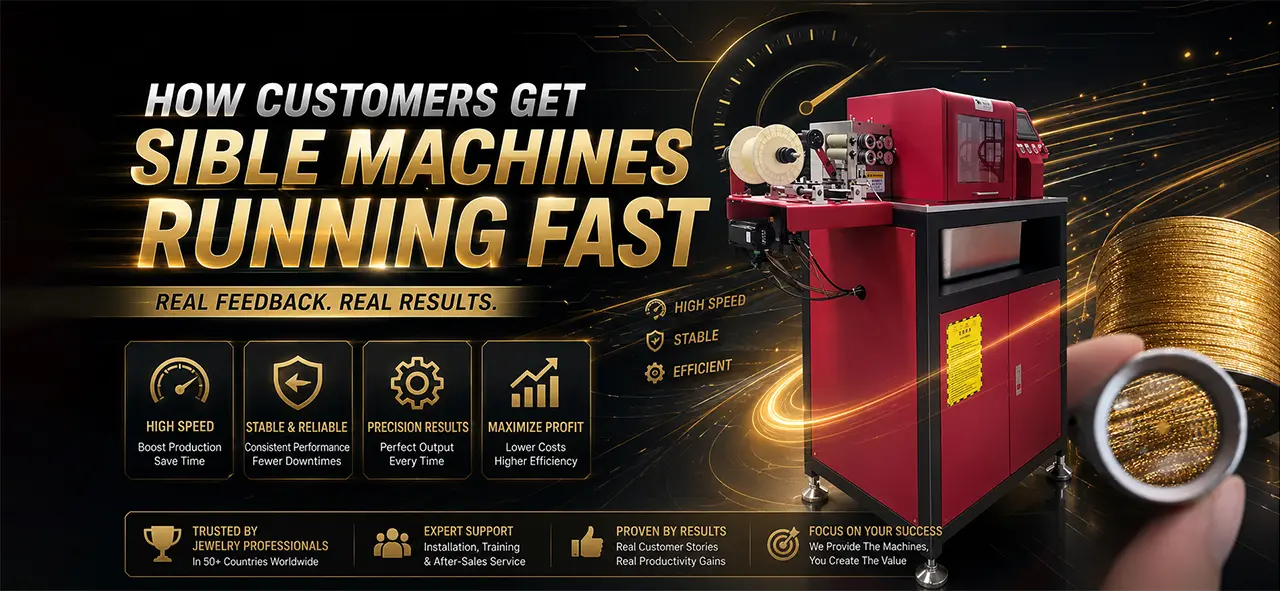
Buying an automated jewelry machine is only the beginning. For a jewelry factory, the real value of new equipment appears when it is correctly installed, properly adjusted, and running consistently in daily production.
This is especially important when a factory is upgrading from manual processing to CNC jewelry machinery, a diamond cutting machine, or an automatic bead making machine. New operators need to understand machine controls, production settings, tooling, and maintenance procedures before the equipment can deliver its full potential.
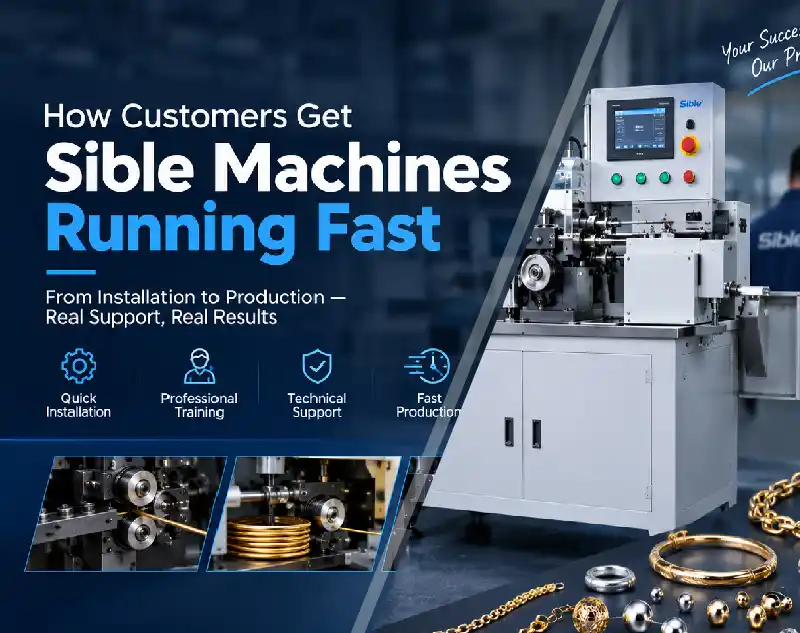
At SIBLE, we believe machine delivery should include more than simply shipping equipment to a customer. A successful handover should help the customer's team understand the machine, complete the initial setup, solve common operating questions, and gradually become confident enough to manage production independently.
That is why SIBLE combines operation videos, technical documentation, direct communication, and proactive customer follow-up as part of the machine handover process.
Why Machine Startup Matters in Jewelry Production
A modern automated jewelry machine can improve production efficiency, consistency, and labor utilization. However, these benefits depend on how quickly the equipment can be integrated into the factory's workflow.
For a new operator, even a well-designed machine may initially raise practical questions:
How should the machine be installed and adjusted?
Which parameters should be changed for different materials or sizes?
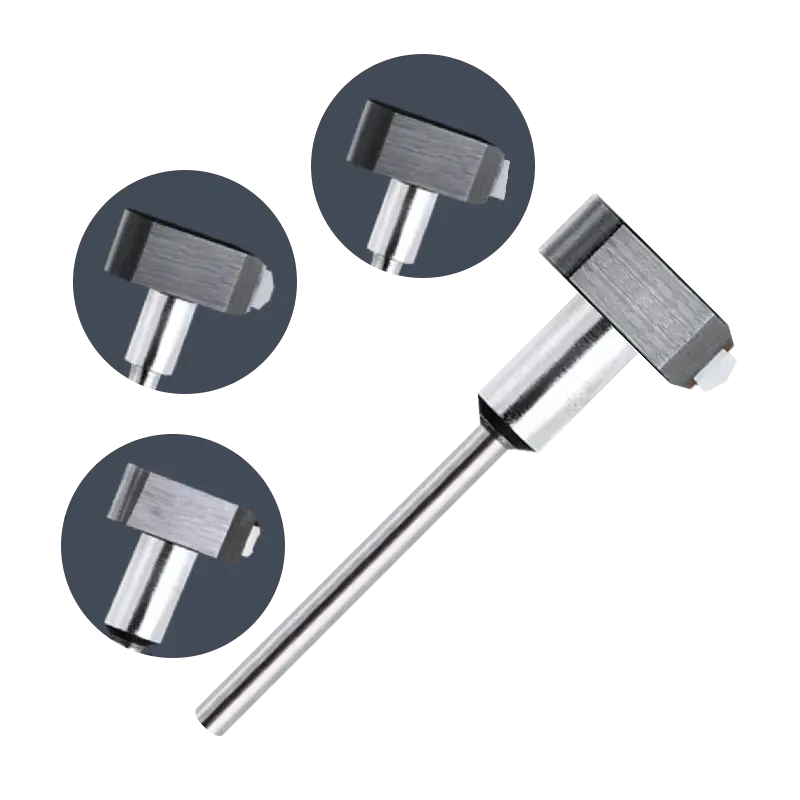
How should cutting tools or fixtures be installed?
What should the operator check before starting production?
How can common operating problems be identified?
What maintenance should be performed regularly?
If operators have to discover the answers through trial and error, the factory may experience unnecessary material waste, production delays, or inconsistent product quality.
For this reason, operator training and technical support are important parts of the overall equipment investment.
If you are planning to build or expand a jewelry production line, our guide to setting up a small jewelry factory provides a practical overview of the equipment and preparation required before production begins.
SIBLE's Approach: Making Jewelry Machines Easier to Use
SIBLE designs its support process around a simple objective: help customers move from receiving the machine to independent production as smoothly as possible.
Our onboarding approach generally includes four key elements.
1. Practical Operation Videos
Visual instructions are often easier for operators to understand than a long technical manual.
SIBLE provides operation videos that demonstrate important procedures such as machine setup, basic operation, adjustments, maintenance, and common operating steps.
Operators can watch the relevant section while working with the machine, making it easier to understand the actual process.
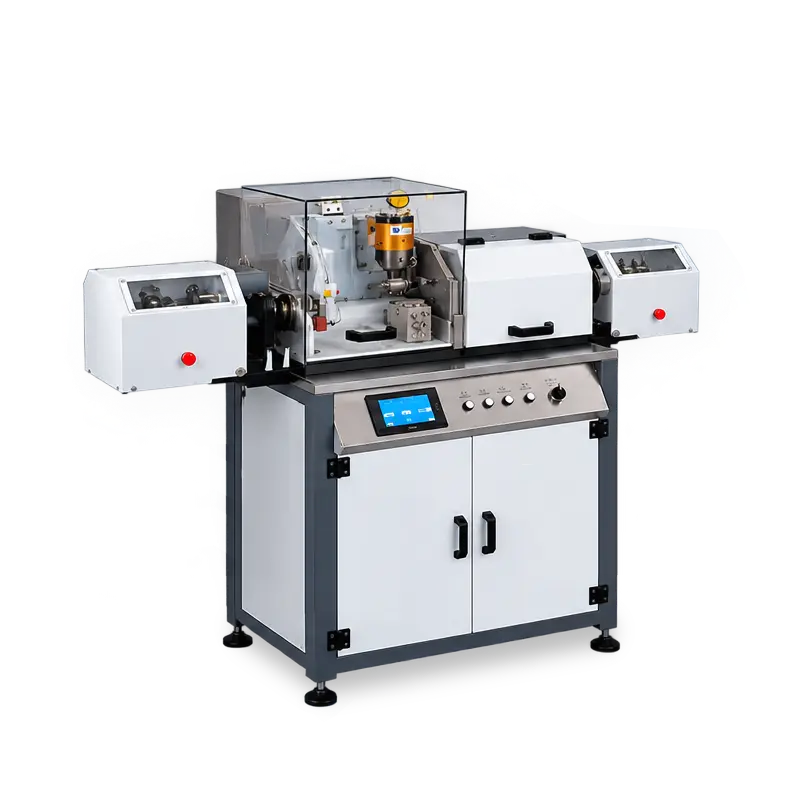
For equipment such as a Diamond Cutting Machine for Wire and Tube, understanding the machine's operating procedure and adjustment process is particularly important because different wire, tube, and round-chain applications may require different production settings.
2. Structured Technical Documentation
Videos are supported by written documentation that operators can refer to when they need specific information.
Depending on the machine model, documentation can cover operating procedures, adjustment instructions, maintenance recommendations, machine specifications, and other important technical information.
This gives the factory a reference that can be kept with the equipment and used when training new operators in the future.
For growing jewelry factories, this is particularly useful because machine knowledge does not have to remain with just one experienced operator.
3. Direct Communication With SIBLE
Questions can naturally arise after a machine begins production.
Instead of expecting customers to solve every problem independently, SIBLE maintains direct communication with customers throughout the equipment's service life.
Whether the question concerns machine operation, adjustment, spare parts, or a future equipment purchase, customers can communicate with the SIBLE team directly.
This is particularly valuable for overseas jewelry manufacturers purchasing equipment from China, where geographical distance and time-zone differences can otherwise make technical communication more difficult.
4. Proactive Follow-Up
Good after-sales service should not always begin with a customer reporting a problem.
After delivery and initial production, SIBLE may proactively contact customers to understand how the machine is performing and whether operators have encountered difficulties.
This simple step can help identify small issues before they develop into larger production interruptions.
It also gives SIBLE valuable feedback that can be used to improve future machine documentation, training materials, and customer support.
Customer Experience: From First Setup to Independent Operation
The value of this approach can be seen through feedback from SIBLE customers in different markets.
Customer Story: Learning to Operate a Jewelry Machine in India
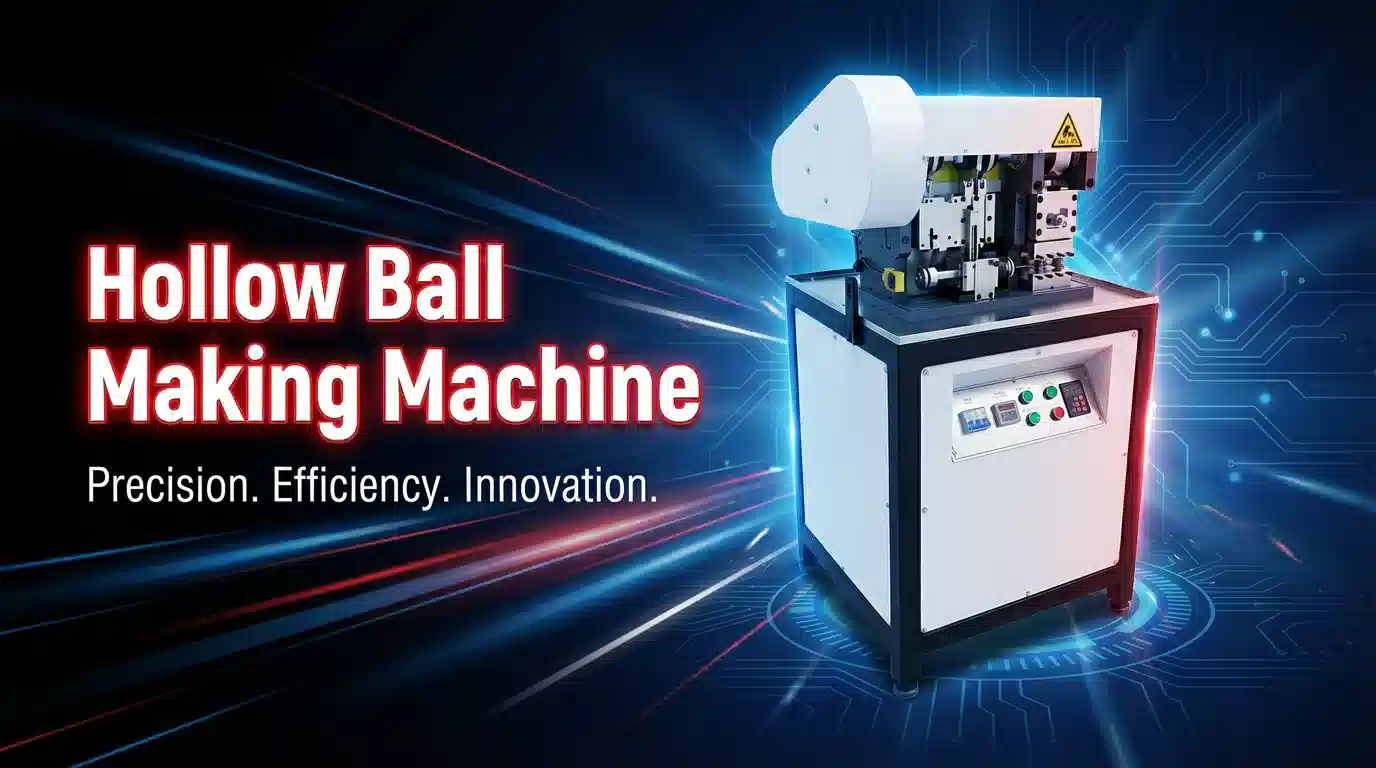
One Indian jewelry manufacturer purchased a SIBLE automatic hollow ball making machine while expanding his production capabilities.
Because automated jewelry machinery was relatively new to his team, understanding the operating process was an important part of the initial setup.
Instead of depending entirely on real-time assistance, the customer used the operation videos and technical documentation supplied by SIBLE.
The result was encouraging: the operators were able to understand the machine's basic operation and gradually move toward independent production.
The customer later commented that the videos and documentation were easy to understand.
For SIBLE, this is an important lesson:
Good technical support should not make customers permanently dependent on the supplier. It should help customers become confident machine operators themselves.
This principle is especially important for factories that want to expand production. Once operators understand one machine, they can apply the same learning approach when additional equipment is introduced.
Customer Story: Supporting the Transition to Automated Production in Indonesia
Another customer in Indonesia purchased a SIBLE CNC diamond cutting machine while transitioning from more traditional jewelry processing methods to automated production.
The challenge was not simply learning how to turn on the machine. The operators also needed to become familiar with a new production workflow and understand how the equipment should be monitored during operation.
After production began, SIBLE followed up with the customer to ask about the machine's running condition and whether any difficulties had appeared.
The customer's response was straightforward: the machine was running well.
For a manufacturer, this may sound like a small exchange. From an equipment supplier's perspective, however, it represents an important milestone:
The machine has moved from installation into normal production.
For factories considering automated diamond cutting, the Diamond Cutting Machine for Wire and Tube is designed for precision surface cutting applications on wire, tube, and round chain, helping manufacturers move from manual processing toward more automated production.
For a broader understanding of the production process, see our complete guide to diamond cutting machines for wire and tube.
Why Faster Machine Onboarding Can Benefit Your Factory
The faster operators understand the equipment, the sooner the machine can become part of the factory's normal production system.
A well-organized onboarding process can help reduce several common problems.
Less Operator Uncertainty
Clear instructions allow new operators to learn the correct procedures instead of relying on guesswork.
This can be particularly important when a factory moves from traditional manual production to CNC-controlled equipment.
Lower Material Waste
Correct setup and adjustment can reduce unnecessary trial-and-error during the initial production stage.
For jewelry manufacturers working with valuable materials such as gold and silver, reducing avoidable production waste is an important consideration.
More Consistent Production
Operators who understand machine parameters and operating procedures are better positioned to maintain stable processing quality.
This matters when the same product needs to be manufactured repeatedly in large quantities.
Reduced Unnecessary Downtime
Quick access to instructions and technical support can help operators address common questions more efficiently.
Instead of leaving equipment idle while waiting for a solution, operators can first refer to the supplied documentation and then contact SIBLE when additional technical assistance is required.
Easier Operator Training
Videos and documentation can also become long-term training resources when a factory adds new employees.
This makes the initial machine handover useful beyond the first installation.
From Machine Installation to a More Efficient Production Line
Machine onboarding is not an isolated service. It is part of the larger process of building an efficient jewelry production line.
Different products require different types of equipment.
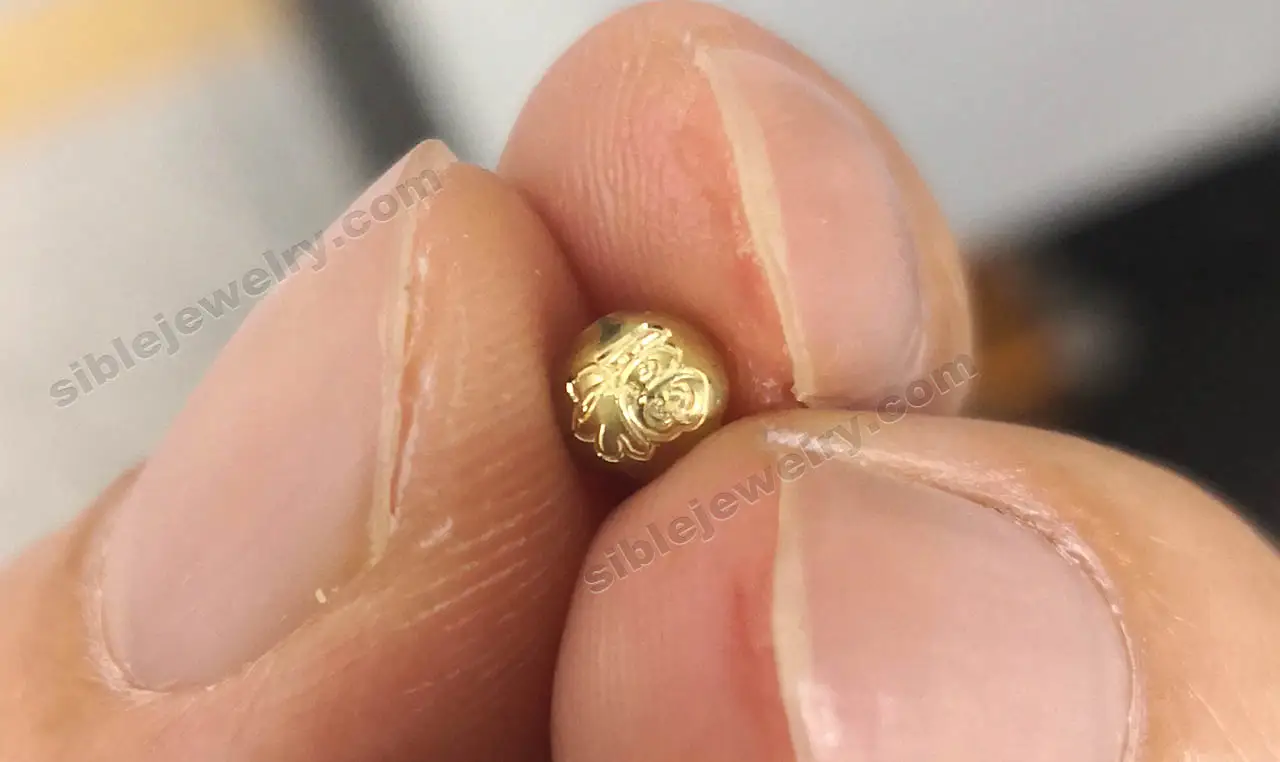
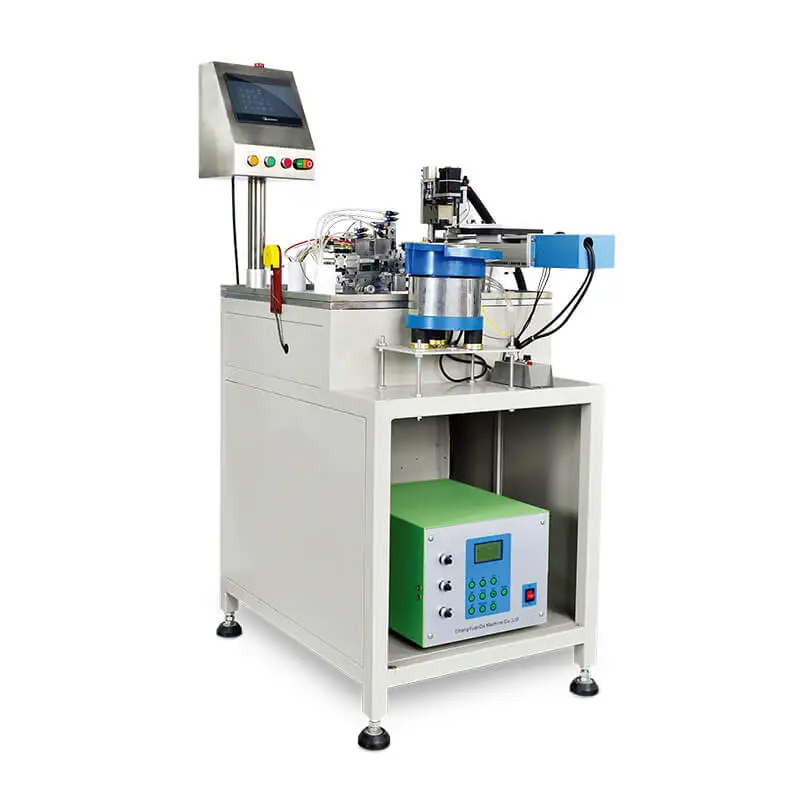
For manufacturers producing hollow beads, for example, an automatic Ball Making Machine can help automate the forming process and improve production consistency.
For manufacturers working with ball tubes and diamond-cut surfaces, a Ball Tube Diamond Cutting Machine provides a dedicated solution for this type of jewelry component.
Factories processing larger tube or pipe-style components can also consider a Pipe Diamond Cutting Machine according to their material size and application requirements.
The key point is that machine selection should always start with the actual production requirement rather than simply choosing equipment based on appearance or price.
How to Prepare Before Your SIBLE Machine Arrives
Customers can also take several simple steps to make the transition smoother.
Before Delivery
Confirm your key production requirements, including:
Material type, such as gold, silver, copper, or karat gold
Wire, tube, bead, or component size range
Expected production volume
Available electrical power
Installation space
Operator availability
Providing these details in advance helps ensure that the selected machine and configuration match the intended application.
During the First Production Stage
Operators should:
Review the operation videos before starting.
Follow the supplied documentation step by step.
Begin with suitable test material.
Check product quality after initial adjustment.
Record important machine settings for future reference.
Contact SIBLE if an operating question cannot be resolved internally.
The goal is not simply to make the first product.
The goal is to establish a repeatable and stable production process.
Learning From Real Production: 24/7 Automated Operation
Once operators become familiar with the machine and the production process has been stabilized, automation can offer another important advantage: reducing the amount of continuous manual intervention required during production.
SIBLE has also worked with customers using automated equipment for extended production cycles.
Our 24/7 lights-out production case study shows how automated jewelry equipment can support continuous production when the machine, material feeding system, tooling, and production process are properly configured.
The important lesson is that automation starts with reliable machine operation.
Before a factory can maximize machine utilization, operators need to understand the equipment and establish a stable production routine.
More Than a Machine Supplier
For a jewelry equipment manufacturer, delivering the machine is only one part of the customer's journey.
The long-term objective is to help factories use their equipment effectively in real production.
SIBLE develops and supplies equipment for jewelry processing applications, including diamond cutting machines for wire and tube, ball tube diamond cutting machines, automatic ball making machines, bead cutting equipment, and other CNC jewelry machinery.
From machine selection and customization to installation guidance, operator training, spare parts, and after-sales communication, our approach is designed around practical production requirements.
Every jewelry factory has different materials, products, production volumes, and operator experience. Therefore, the right machine should not only meet a technical specification—it should also fit the factory's actual workflow.
Ready to Start Your Next Jewelry Production Project?
If you are planning to automate jewelry production, replace manual processing, or expand your existing equipment line, SIBLE can help evaluate your requirements and recommend a suitable machine configuration.
Tell us your product type, material, size range, and expected production volume. Our team can help you identify a suitable equipment solution and explain the expected production process before you place an order.
Explore the full range of SIBLE jewelry machinery, or learn more about our Automatic High-Precision Diamond Cutting Machine for Wire and Tube.
For equipment selection, production requirements, or technical questions, contact SIBLE to discuss your project.
A machine is an investment. The goal is not simply to deliver it—but to help you put it to work.
Để lại tin nhắn trực tuyến


